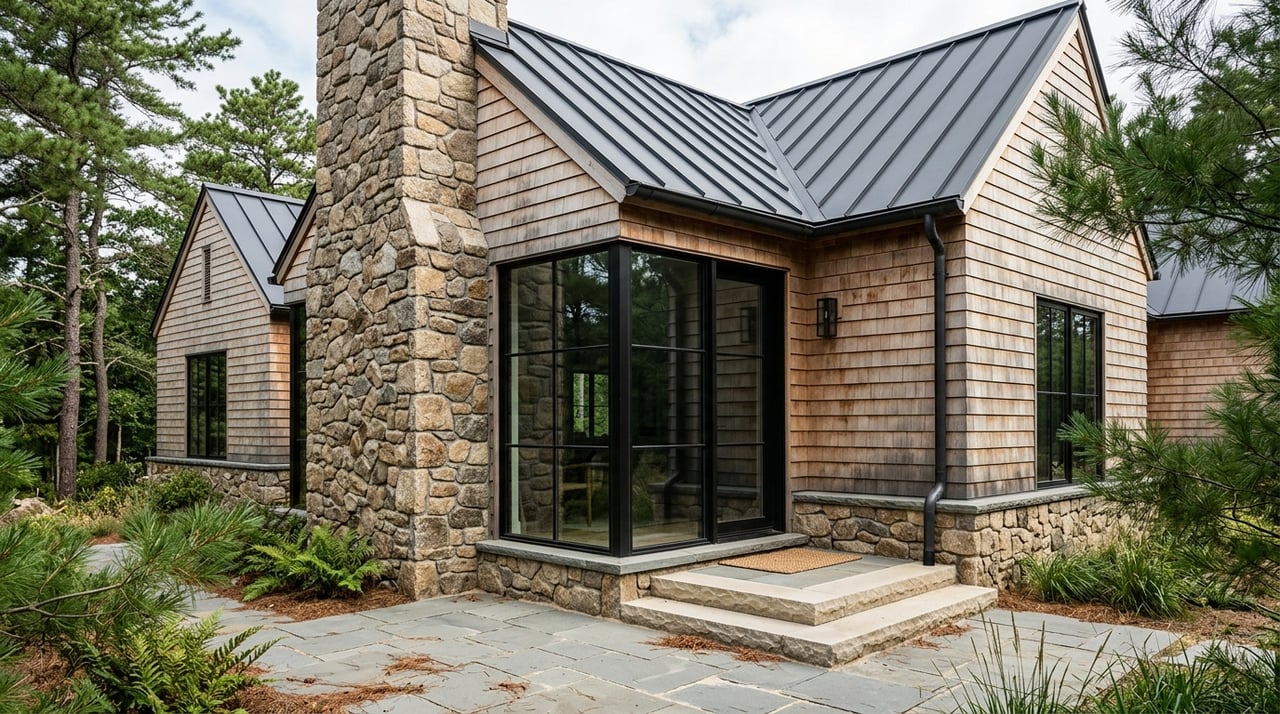
Dreaming about a place where your weekends start with dunes, lake air, and a walkable village feel? If you are thinking about buying a vacation home near Sleeping Bear Dunes, Empire deserves a close look. This small Leelanau County community offers a very specific kind of ownership experience, and understanding that experience can help you buy with more confidence. Let’s dive in.
Why Empire feels different
Empire is not a typical shoreline town. According to the Village of Empire’s 2025 recreation plan, the village has 378 year-round residents, covers about 1.1 square miles, and sets aside more than 212 acres, or 35.6% of its land, for recreation and preservation.
That helps explain why Empire feels so tied to the outdoors. Sleeping Bear Dunes National Lakeshore headquarters are in the village, and the Philip A. Hart Visitor Center is right on Front Street. For many buyers, that park-centered setting is the biggest reason Empire stands out.
If you want a vacation home that feels connected to trails, beaches, and protected land, Empire offers that in a way few places can. It feels more like a gateway to the park than a conventional resort town.
What vacation-home buyers should expect
Empire tends to appeal to buyers who want simplicity, access, and a quieter pace. You are usually trading a broader commercial scene for close proximity to Sleeping Bear Dunes, a compact village layout, and a more cottage-oriented housing mix.
That tradeoff can be a great fit if your ideal second home is about time outside rather than nonstop activity. It can be less ideal if you want a large town center, broader year-round services, or a wider range of housing styles in one small area.
The key is knowing what kind of lifestyle you want. Empire works best when you value setting and access first.
Property types in Empire
Village homes and cottages
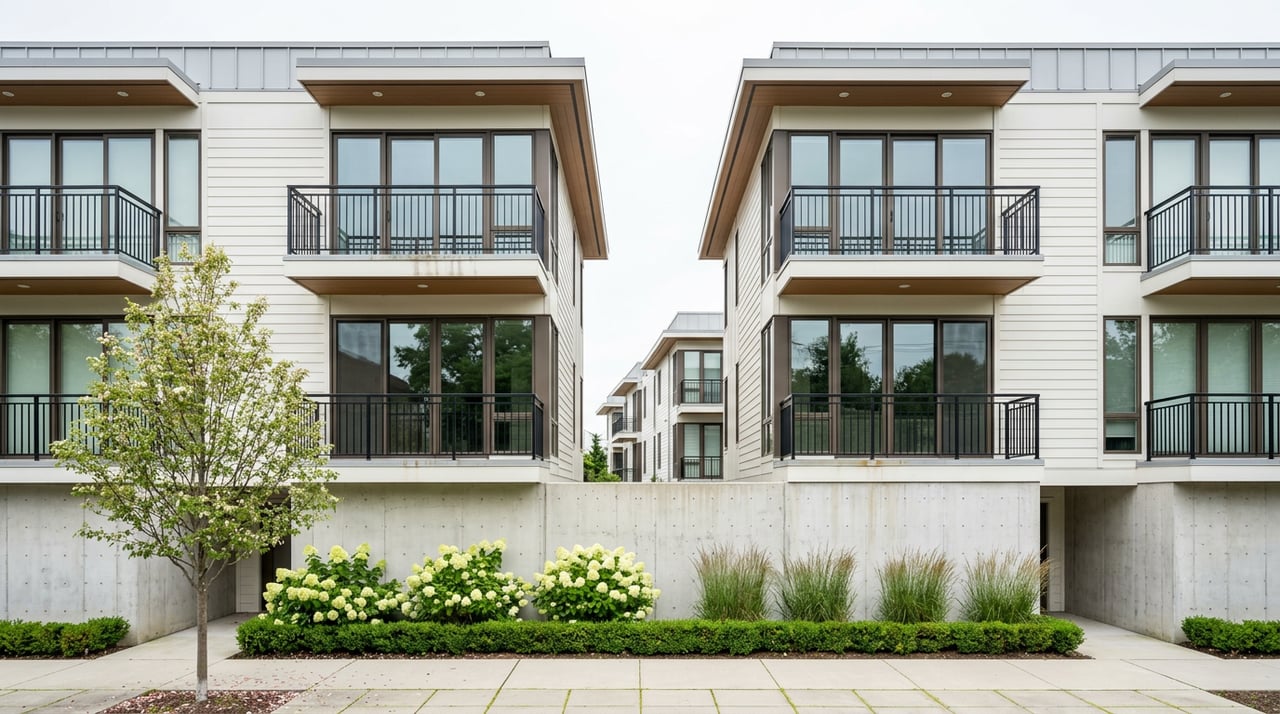
Empire’s zoning ordinance points to a housing stock shaped by single-family homes, cottages, and older in-town lots. The village residential district is intended for medium-density infill on smaller pre-existing platted lots, while the general residential district supports low- to medium-density neighborhoods.
In practical terms, you will often find homes that reflect the village’s small scale. These may include classic cottages, modest year-round homes, and properties close to the compact downtown area.
Mixed-use and Front Street options
Front Street has its own zoning district with a broader mix of allowed uses. That district allows single-family homes, two-family properties, accessory dwellings, mixed-use commercial and residential buildings, retail sales and services, and bed-and-breakfast uses.
For buyers, that means some properties may offer a different ownership profile than a standard cottage. A Front Street property may come with added flexibility, but it also calls for careful review of zoning and use rules before you move forward.
Conservation-oriented parcels
Empire also includes recreation and conservation zoning with a stronger preservation focus. In that district, the minimum lot area is 3 acres.
If you are looking for a more secluded setting, this may sound appealing. Still, the preservation orientation means you should look closely at what can and cannot be done with the land.
Accessory dwellings and guest space
Some buyers want extra room for guests or a private space for extended family. Empire does allow accessory dwelling units, but the rules are limited. Only one accessory dwelling unit is allowed per parcel, and its size is capped by the first floor of the main structure.
That matters if you are picturing a separate setup for overflow guests or a smaller caretaker-style space. It may work well for family use, but you should not assume it functions like a large detached rental property.
Wells, septic, and due diligence
One of the most important buying topics in Empire is wastewater infrastructure. A Village wastewater feasibility report states that the lack of a municipal sanitary sewer system is a significant factor limiting development.
For many buyers, that means expecting on-site well and septic systems, especially outside the most built-up parts of the village. This is one of the biggest differences between buying in Empire and buying in a more fully serviced community.
That also makes inspections and timing especially important. The Benzie-Leelanau District Health Department requires a time-of-transfer evaluation before a sale is final for homes in Benzie or Leelanau County that have a well or septic system.
Empire Township also has its own well and septic inspection ordinance. Because rules can differ by jurisdiction, you will want to confirm whether a property is inside the Village of Empire or in Empire Township before you assume the same process applies.
Seasonal ownership comes with real maintenance needs
A vacation home near Sleeping Bear Dunes can be wonderful in every season, but seasonal ownership in Northern Michigan requires planning. Winter conditions matter here. National Park Service weather data for Sleeping Bear Dunes shows winter daytime highs commonly in the 20s to 30s, with lows in the 10s to 20s.
Michigan’s cold-weather guidance warns that frozen water lines can cause serious damage. For a second-home owner, that usually means thinking ahead about plumbing shutdown, pipe protection, well components, heat maintenance, and snow access before you leave the property for part of the season.
This does not mean a seasonal home is hard to own. It does mean you should budget for upkeep and build a clear off-season plan from the start.
How seasonality shapes the market
Empire’s real estate rhythm is closely connected to Sleeping Bear Dunes visitation. The lakeshore draws about 1.6 million visits a year, and 2025 monthly visitation peaked in summer, especially from June through August.
That seasonal pattern affects how the market feels. Late spring through early fall will often bring more activity, more showings, and a stronger sense of urgency. Off-season shopping may feel calmer, but it may also come with fewer available choices.
If you are flexible on timing, this can work to your advantage. A quieter buying window may give you more space to evaluate a property carefully, especially when well, septic, and winter maintenance questions are part of the decision.
What current market snapshots suggest
Recent county-level market snapshots point to a high-value market with some uneven movement. Realtor.com currently describes Leelanau County as a buyer’s market, with a 96% sales-to-list-price ratio, about 291 active listings, and a median listing price of $785,000.
Redfin reports a Leelanau County median sale price of $626,000, while Empire itself posted a median sale price of $601,000 last month, down 4.6% year over year. These figures measure different things, so they are best viewed as complementary snapshots rather than exact equivalents.
For you as a buyer, the bigger takeaway is that Empire sits in a valuable market where pricing can vary based on proximity to the park, property condition, infrastructure, and seasonal demand.
A simple checklist before you buy
Before you commit to an Empire vacation home, focus on a few practical questions:
- Is the property inside the Village of Empire or Empire Township?
- Does the home use well and septic systems?
- When was the last health-department evaluation completed?
- What winterization plan will the home need if it sits vacant part of the year?
- Does the zoning match how you plan to use the property?
- If guest space matters to you, do accessory dwelling rules support that plan?
These questions are not meant to slow you down. They help you make a smarter decision in a market where small details can have a big effect on ownership.
Don’t overlook the park pass math
If you plan to use your home often, even small recurring costs are worth thinking through. Sleeping Bear Dunes charges $25 for a 1 to 7 day private vehicle pass and $45 for an annual pass.
If your family expects repeated visits throughout the year, the annual pass may make more sense. It is a small detail, but it reflects the bigger point about Empire ownership: the closer your lifestyle is tied to the park, the more this location can pay you back in daily enjoyment.
Is Empire the right fit for you?
Empire makes the most sense if you want a true vacation-home setting with immediate access to one of Michigan’s most recognizable natural areas. It offers a compact village, strong seasonal identity, and a housing landscape shaped by cottages, smaller lots, mixed-use pockets, and conservation-minded land patterns.
It is not the place to choose based on convenience alone. It is the place to choose when you want your second home to feel connected to dunes, trails, Lake Michigan, and a quieter Up North routine.
If that sounds like your kind of retreat, it helps to work with someone who understands both the lifestyle side and the property details that matter in this part of Leelanau County. For guidance on buying or selling in Northern Michigan, connect with Ken Kleinrichert.
FAQs
What makes Empire, Michigan appealing for a vacation home near Sleeping Bear Dunes?
- Empire offers immediate access to Sleeping Bear Dunes National Lakeshore, a compact village setting, and a strong outdoor focus shaped by recreation and preservation land.
What types of homes can you buy in Empire, Michigan?
- Buyers will typically find single-family cottages, village homes, some two-family properties, mixed-use options along Front Street, and conservation-oriented parcels depending on location and zoning.
Do Empire vacation homes usually have sewer service?
- Many properties should be expected to use on-site well and septic systems, especially outside the most built-up parts of the village, because the lack of municipal sanitary sewer service is a major local factor.
What inspections matter when buying a home in Empire, Michigan?
- If a home has a well or septic system, the Benzie-Leelanau District Health Department requires a time-of-transfer evaluation before the sale is final, and local township rules may also apply depending on the property location.
How does seasonality affect buying in Empire near Sleeping Bear Dunes?
- Summer usually brings the highest park traffic and often the busiest buying season, while off-season shopping may offer quieter negotiations but fewer available listings.
What should second-home buyers plan for during winter in Empire, Michigan?
- Seasonal owners should plan for winterization, frozen-pipe prevention, heat maintenance, well-system protection, and snow access because winter temperatures commonly drop into the teens and 20s.
Is an annual Sleeping Bear Dunes pass worth it for Empire homeowners?
- If you expect frequent visits, the $45 annual private-vehicle pass may offer better value than paying $25 for individual 1 to 7 day visits.