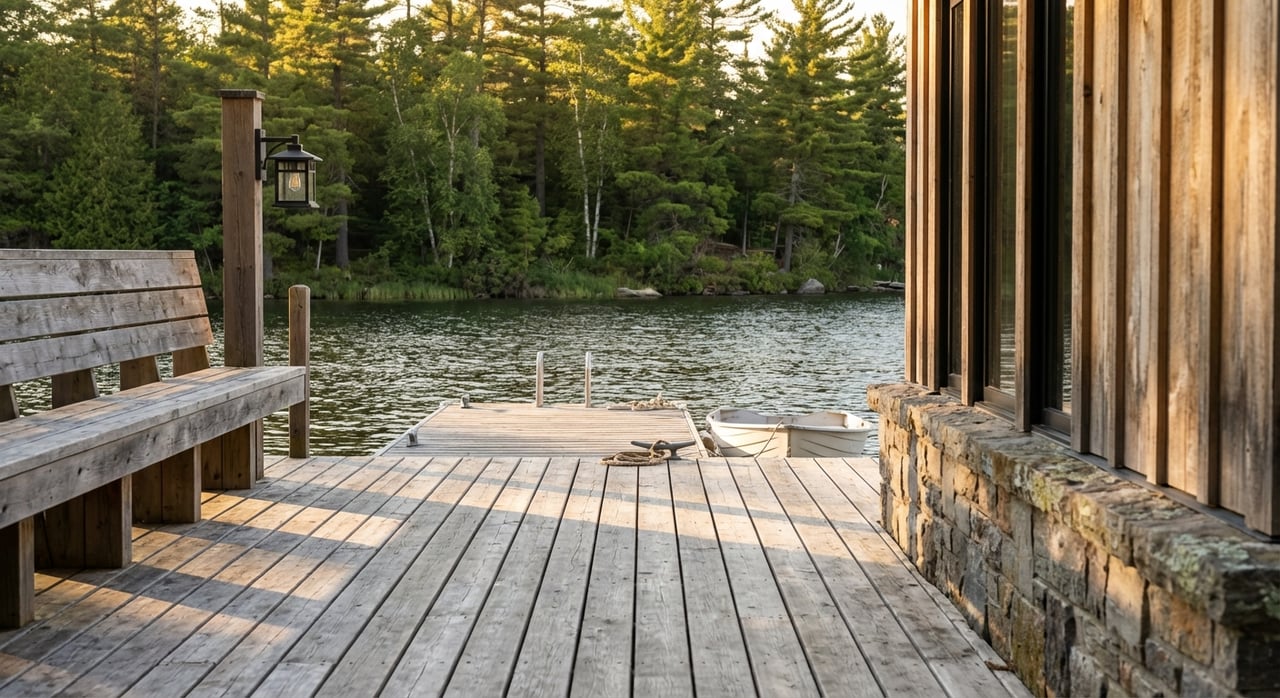
If your perfect day starts on a dock with coffee in hand and ends with a beach sunset, Leland might feel like home. This small harbor village offers a rare mix of walkable waterfront, working fishing heritage, and laid-back charm. Whether you want a seasonal retreat or a year-round base near the water, you can find a lifestyle that fits.
In this guide, you’ll learn how daily life flows around the harbor, what to expect from beaches and the Manitou ferry, the tradeoffs between waterfront and in-town living, and practical steps to buy with confidence. Let’s dive in.
Why Leland and Fishtown stand out
Leland sits on a slim strip of land between Lake Michigan and Lake Leelanau, a natural gateway to Sleeping Bear Dunes and the Manitou Islands. The village is small, with a reported population of around 410 in 2020, yet it hums with energy in high season and settles into a quieter rhythm in winter. The village’s getting-here page captures that scale and setting.
Right at the mouth of the Leland River, Fishtown anchors the waterfront. It is a preserved historic district of weathered shanties, working tugs, smokehouses, and small shops. Importantly, it is still one of the Great Lakes’ active fishing districts, cared for by local preservation groups and open for you to explore. Get a feel for the place through Fishtown’s shanty overview.
Waterfront lifestyle, day to day
Walkable harbor core
Downtown Leland, the harbor, and Fishtown form a compact, walkable cluster where you can browse shops, grab a sandwich, and watch boats come and go. Many restaurants and galleries are concentrated near the water, so you can park once and linger. Beyond the village core, Leland Township spreads out and becomes more rural and car dependent. Check the township site for a sense of layout and services.
Beaches and shoreline access
Live near the harbor and you are close to wide, sandy Lake Michigan beaches. Van’s Beach and Hall Beach are local favorites, and adjacent shoreline is protected by the Leelanau Conservancy to preserve public access and views. Learn more about this scenic stretch on the Conservancy’s page for Hall Beach.
Boating and Leland Township Harbor
Leland Township Harbor sits beside Fishtown and is a full-service marina with amenities like 30 and 50-amp electric, fuel, pump-out, showers, and laundry. Public information lists 61 slips. The township posts a staffed harbor season of May 1 through September 30, with daily hours on site. Always confirm current season dates and transient availability with harbor staff since weather and operations can shift. Start with the township’s harbor page.
Manitou Islands on your doorstep
One of Leland’s signature joys is boarding the seasonal ferry right from Fishtown to North and South Manitou Islands within Sleeping Bear Dunes National Lakeshore. Ferry operations are seasonal and can be affected by National Park Service work. For example, dock projects in 2026 changed regular island docking. Check Manitou Transit’s trip details and current NPS or operator notices before you plan a trip.
Dining and galleries with local flavor
A handful of long-standing businesses give Leland its flavor, from seafood counters to small galleries. Many shops and eateries operate spring through fall, while several galleries and Main Street retailers keep year-round hours. One local favorite, the Village Cheese Shanty, posts a spring-to-fall sandwich window, which is a good indicator of the town’s seasonal pulse.
Where to live: waterfront vs in-town
Waterfront homes and cottages
Waterfront addresses on Lake Michigan, the harbor, the river, or Lake Leelanau offer premium views and direct access for boating, beachgoing, and play. These properties carry higher price-per-acre trends and added responsibilities. You will want to plan for shoreline protection, winterization, dock upkeep, and appropriate insurance. Inventory is limited, and this segment is the most sensitive to seasonal demand.
In-town walkability
Prefer a lower-maintenance base near the action? In-town properties include smaller lots, classic cottages, historic homes, and a few condo or row-house options. You can walk to shops and the harbor in minutes, and you tend to avoid some of the direct exposure that comes with beachfront living. Many downsizers and year-round residents appreciate this balance of convenience and comfort.
What the market numbers really mean
Because Leland is tiny, a handful of high-value waterfront closings can quickly swing monthly or quarterly medians on national portals. You may see headlines showing high six-figure to low seven-figure medians in some reports while other sites display lower numbers in certain months. County-level indexes also present different snapshots. The key is this: sample size is small, and local MLS data plus individual sale records are more reliable than any single aggregator metric.
If you are serious about a move, ask for a focused set of comps that separates waterfront from in-town sales and looks one mile inland for added context. A local radius analysis will give you a clearer picture than mixed medians.
Practical buying considerations
Septic and wells
Much of Leland Township outside the village center relies on private wells and on-site sewage systems. The Benzie–Leelanau District Health Department oversees permitting, evaluations, and Time-of-Transfer inspections at sale. Before you close, verify the presence and condition of the system and request the most recent report. Start with the BLDHD’s on-site sewage and well program.
Shoreline rules and docks
Riparian rights and shoreline modifications in Michigan involve state law, environmental permits, and local rules. If you plan a dock, dune stabilization, or any shoreline work, consult local zoning, the state’s environmental regulators, and legal guidance as needed. This overview of riparian rights and road ends underscores why property-specific review matters.
Marina slips and moorings
If a wet slip is essential, confirm whether a slip is deeded with the property, available to rent, or if the township marina uses a waiting list. The harbor posts slip counts, policies, and seasonal details. Begin your due diligence on the township harbor page.
Utilities, insurance, and winterization
For waterfront and harbor properties, factor in insurance for wind, water, ice, and erosion risk, plus freeze protection for plumbing during off-season months. If you plan to live here year-round, review heating systems, insulation, roof condition, and winter access. The region sees substantial snow, so confirm road maintenance and snow removal options. A regional guide to nearby communities notes these winter considerations around Leland and Suttons Bay, which is a helpful context check for planning purposes. See the local guide reference.
Seasonality and timing your purchase
Business and harbor seasons
Many Fishtown shops and restaurants are busiest April through October, and some scale back or close in winter. The Village Cheese Shanty specifically posts an April-to-October sandwich season. The township lists the harbor’s staffed season as May 1 through September 30. Always verify current dates since operations can flex with conditions. Check harbor details and individual business pages like the Village Cheese Shanty.
Second-home demand and limited inventory
Vacation-market dynamics can push waterfront prices and cause fast shifts in small markets. Nationally, second-home purchases surged during the pandemic and then moderated, with many buyers in the Baby Boomer and older Gen X cohorts. These patterns show up in resort towns where inventory is tight. For a broader view of second-home ownership trends, review the data in this SEC filing.
Best seasons to shop
Spring through early summer is the most active listing window as sellers aim for summer buyers and showings are easier in good weather. If your goal is summer use, try to line up inspections, contingencies, and closing well before peak season. You will have the best chance to see docks in the water and understand traffic, ferry schedules, and real-time activity.
Quick-start checklist
- Clarify your intended use: seasonal retreat or year-round living. Your plan shapes the right neighborhood and services.
- Verify utilities and on-site systems: request the BLDHD Time-of-Transfer septic and well evaluation and permit history. Use the BLDHD request form.
- Harbors and docks: confirm if a slip conveys, the marina season, and any waiting list. Start with Leland Township Harbor.
- Zoning and short-term rentals: if rental income is part of your plan, confirm current rules since policies vary across nearby towns. A regional resource hub from the local Realtor association offers updates. See Aspire North Realtors’ guide.
- Insurance and exposure: price coverage for wind, water, ice, and erosion. Confirm freeze protection steps for off-season months.
- Travel logistics: plan for the 40 to 60 minute drive to Traverse City and Cherry Capital Airport, and access to services like Munson Medical Center. Check Leland’s getting-here page.
- Local culture and services: visit in at least two seasons to confirm that Leland’s pace and service levels match your long-term goals. The village site is a helpful trip planner.
Work with a local expert
Choosing between a harbor-edge cottage and an in-town charmer comes down to lifestyle, maintenance, and timing. You deserve clear, local guidance backed by real comps, permit records, and a plan for slips, inspections, and insurance.
If you are ready to explore Leland or compare it to other Grand Traverse waterfront options, connect with Ken Kleinrichert for a conversation about your goals and a personalized plan.
FAQs
What makes Fishtown unique for residents in Leland?
- Fishtown is a preserved, working Great Lakes fishing district next to the harbor, with shanties, smokehouses, and small shops managed by local preservation groups. See the Fishtown shanty overview.
How does Leland Township Harbor work for seasonal boaters?
- The township lists 61 slips and amenities like 30 and 50-amp electric, fuel, pump-out, and showers, with a typical staffed season of May 1 to September 30. Confirm current details on the harbor page.
Are there public beaches near downtown Leland?
- Yes. Van’s Beach and Hall Beach sit by the harbor, with adjacent shoreline protected by the Leelanau Conservancy to preserve access and views. Learn more at Hall Beach.
What should I know about septic and well inspections in Leelanau County?
- Many properties use private wells and on-site sewage systems. The Benzie–Leelanau District Health Department manages permitting and Time-of-Transfer evaluations at sale. Start with the BLDHD’s program page.
How do short-term rental rules affect buying in Leland?
- Policies vary by township and can change, so verify current rules before you buy if rental income matters. A regional Realtor resource shares updates and links. See Aspire North Realtors’ guide.
When is the best time to tour homes in Leland?
- Spring through early summer brings the most listings and easier showings. For a summer-use purchase, line up inspections and contingencies early so you can close before peak season and evaluate docks, traffic, and ferry schedules in real time.