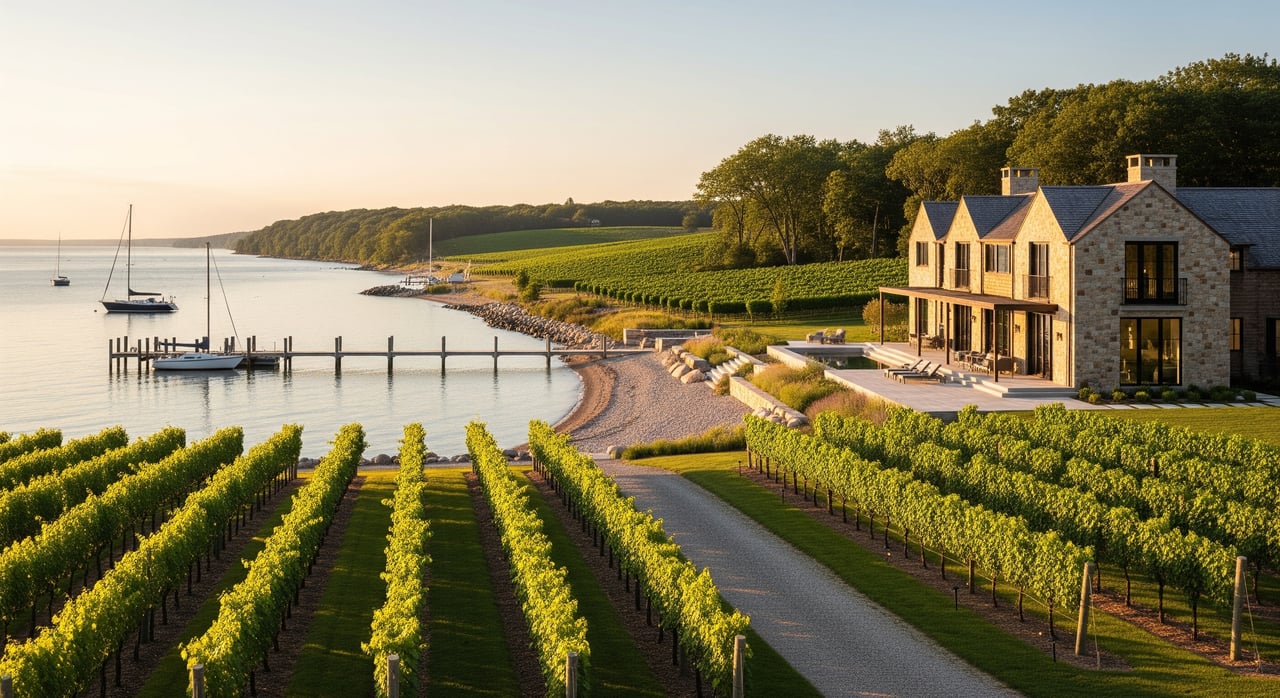
Picture a narrow stretch of land with water on both sides, vineyards rolling over hills, and a quick drive into downtown Traverse City. If that mix of quiet, scenery, and access appeals to you, Old Mission Peninsula may be your sweet spot. In this guide, you will learn how daily life flows across the seasons, what the homes and utilities are like, and the key steps to buy with confidence. Let’s dive in.
Where Old Mission sits and how you get around
Old Mission Peninsula extends north into Grand Traverse Bay and ends at Old Mission Point. The geography is linear, which shapes your routine. Most homes track the shoreline or sit slightly inland, and a single main north–south route connects you to Traverse City at the base.
Drive time to downtown Traverse City is generally short from the southern portion of the peninsula and longer from the northern tip. The same holds for Cherry Capital Airport and Munson Medical Center. Exact commute times vary by address and traffic, so check current conditions with a mapping tool before you tour.
Summer brings heavier traffic during tourism peaks and festival weeks. In winter, roads are maintained but you should expect snow, ice, and slower travel during storms. Many residential lanes are rural, narrow, and winding, so year-round driving awareness is part of life here.
Lifestyle by season
Daily life on Old Mission follows clear seasonal rhythms. You feel the water and working landscapes in every season.
Summer
This is peak season. You will see boats on the bay, people at public access points, and busy winery tasting rooms. Weekend recreation often means kayaking, paddleboarding, fishing, or a long shoreline walk. Second-home owners are in residence and seasonal services keep extended hours.
Fall
Vineyards and orchards drive the calendar. Harvest activity hums along and fall color draws visitors, but it is calmer than summer. Wine events and scenic drives pair well with cool, clear days.
Winter
Life feels quieter and more residential. Snowfall and cold temps shift you toward cross-country skiing, snowshoeing, and ice-related recreation when conditions are safe. Some seasonal businesses reduce hours or close until spring.
Spring
Thaw arrives with orchard bloom and vineyard pruning. Expect variable weather and muddy rural roads early in the season. It is a refreshing reset that leads back to summer.
Everyday conveniences and services
Commercial services on the peninsula are limited. You will find small businesses, tasting rooms, and seasonal operations, but you will likely head to Traverse City for full-service groceries, a broad restaurant mix, and everyday errands. Healthcare is anchored in Traverse City, including the region’s primary hospital and many medical offices.
School assignments depend on district boundaries. If schools are a priority, confirm the exact district and enrollment options with Peninsula Township or Grand Traverse County.
Homes, land, and neighborhood feel
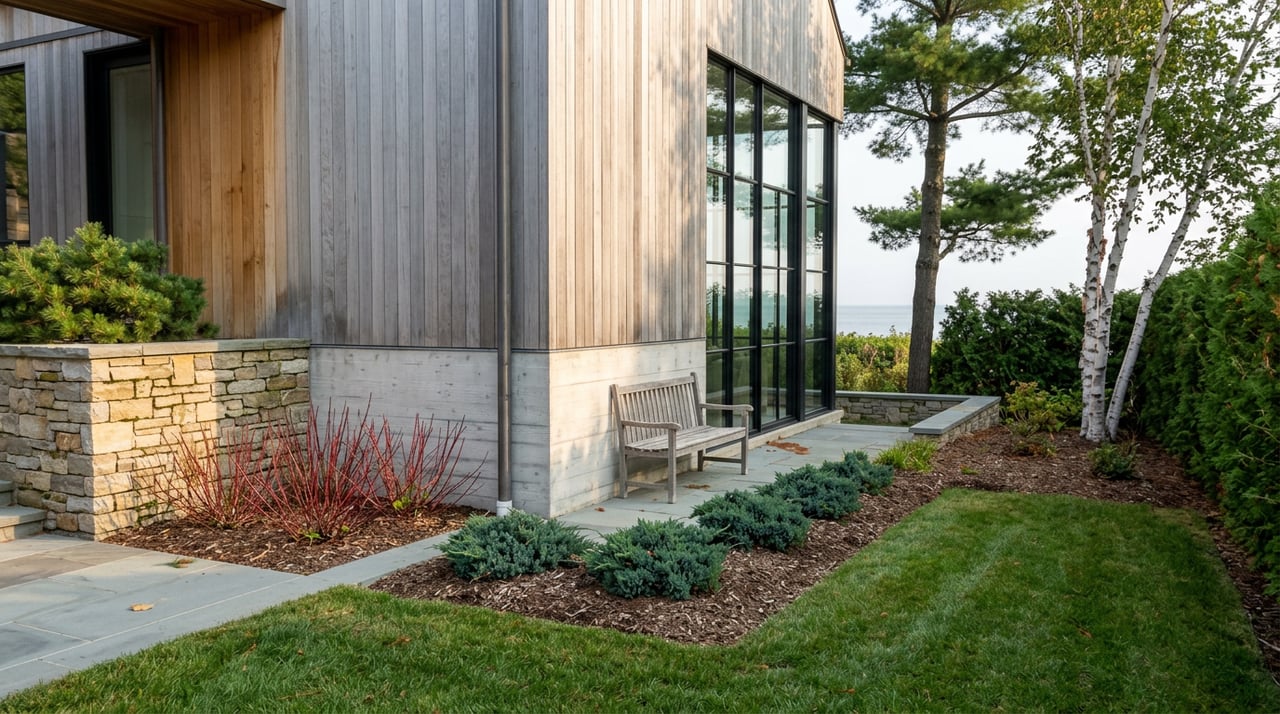
Housing on Old Mission ranges from simple shoreline cottages to modern estates and working farm properties. You will find:
- Waterfront cottages and older seasonal homes along the shoreline.
- Year-round residences and high-end waterfront or bluff estates with broad bay views.
- Farm parcels with orchards, vineyards, older farmhouses, and outbuildings.
- Select infill or larger-lot new construction where land and rules allow.
Lot sizes vary widely, from tight shoreline parcels to multi-acre tracts inland. New construction is more constrained than in some areas because of limited land, shoreline rules, and zoning designed to preserve the rural and scenic character.
What drives value on Old Mission
Properties with direct water, big views, or vineyard adjacency tend to command a premium compared to many inland locations in Grand Traverse County. The draw is straightforward: limited shoreline, scenery, and the prestige of an Old Mission address. Proximity to Traverse City amenities, the area’s wine-country identity, and demand from year-round and second-home buyers all support pricing.
Inventory is naturally constrained by the peninsula’s size, farm protections, and rural zoning. That means well-presented homes can see strong interest, especially in peak seasons. Some homes operate as vacation rentals, and the market can feel seasonal, so be sure to review any local regulations that may affect use.
Infrastructure must-knows before you buy
Understanding the nuts and bolts will save you time and surprises.
- Water and wastewater. Many homes rely on private wells and septic systems instead of municipal service. Septic capacity and drain field placement can limit additions or renovations, so verify details early.
- Utilities and connectivity. Electric service is available, but providers and service levels vary by area. Broadband and cell coverage can be uneven. Confirm internet options and speeds at the address you are considering.
- Shoreline specifics. Waterfront parcels may involve riparian or littoral rights, shared shoreline or drive easements, and setback rules. Shoreline erosion history and public access points can influence how you use the property.
- Zoning and permits. Peninsula Township and Grand Traverse County manage zoning, building, and septic approvals. Local rules aim to preserve agricultural and scenic character, which can limit dense development.
Costs and upkeep beyond the mortgage
Factor in the ongoing costs that come with a waterfront and rural setting.
- Insurance. Waterfront and high-exposure homes may have higher premiums, including flood or wind coverage. Get quotes early in your search.
- Maintenance. Plan for shoreline care, lake-effect weather impacts, and regular septic inspections and pumping. Seasonal homes may need winterization, and year-round residents budget for snow removal.
- Year-round usability. If you are eyeing a summer cottage, confirm whether upgrades are needed for winter comfort and access.
A moderated microclimate and working landscape
Old Mission’s narrow shape and surrounding bay waters create a moderated microclimate that reduces early and late frost risk and extends the growing season compared to some inland locations. That supports cool-climate grape varieties, fruit crops, and the peninsula’s strong viticultural identity.
Vineyards, orchards, and farm stands are part of the daily backdrop. Expect normal rural practices such as tractor traffic, scheduled spraying, and seasonal noise tied to pruning and harvest. Agricultural zoning and farm protections help preserve open space long term, which also limits new housing supply.
Due diligence checklist for smart decisions
Use this checklist to verify the essentials and avoid surprises:
- Confirm utilities. Determine if the home is on municipal service or private well and septic. Request recent septic inspection reports and well water tests.
- Verify shoreline details. Review riparian or littoral rights, waterfront boundaries, erosion history, flood risk, and applicable shoreline setback rules.
- Title and access. Confirm recorded easements, shared drives, private roads, and maintenance responsibilities. Verify legal road access.
- Soil and buildability. For land or major renovations, obtain soil tests and confirm septic suitability and local building setbacks.
- Environmental and agricultural factors. Ask about nearby pesticide or herbicide application schedules, and check for environmental restrictions such as wetlands or shoreland protections.
- Connectivity and utilities. Confirm electric provider, broadband options, and cellular coverage at the address.
- Insurance and operating costs. Get quotes for home, flood, and wind insurance. Ask about seasonal property tax differences and any short-term rental regulations.
If you have specific questions, local township and county offices, county GIS, the state environment department, and the local health department are strong resources for records and permits.
Is year-round living practical?
Yes, many residents live on Old Mission year-round. Winter driving and maintenance are part of the routine, and homes that rely on well and septic need periodic attention. If you are converting a seasonal cottage to full-time use, evaluate insulation, heating, and access. With the right preparation, the peninsula supports an easy four-season lifestyle.
Who Old Mission fits
You may be a great fit for Old Mission if you value water access and views, a quieter rural setting, and quick access to Traverse City. Second-home buyers often appreciate the scenic drives, wineries, and low-key waterfront lifestyle. Year-round residents enjoy the balance of nature, space, and convenience to regional healthcare, shopping, and cultural events.
Ready to explore homes on Old Mission?
When you want local insight into waterfronts, vineyards, and quiet lanes in 49686, you deserve a guide who knows every turn and township rule. Connect with Ken Kleinrichert for attentive representation, premium marketing, and clear next steps. Request a free home valuation & consultation.
FAQs
How long is the commute from Old Mission to downtown Traverse City?
- Drive time ranges from a short drive on the southern peninsula to a moderate commute from the northern tip, depending on your exact address and traffic; verify with a mapping tool.
What types of homes are common on Old Mission Peninsula?
- You will find waterfront cottages, renovated and new year-round residences, high-end estates with views, and farm properties with orchards or vineyards, plus select infill construction.
Are there special utility considerations for Old Mission homes?
- Many properties use private wells and septic systems, broadband can be uneven, and electric providers vary by area; confirm service details and internet speeds at each address.
Are there restrictions on renovating or building on the peninsula?
- Local township and county zoning, shoreline setbacks, and septic limits apply; check with officials early to confirm feasibility for additions, new builds, or land purchases.
What costs should I plan for beyond the mortgage on a waterfront or view home?
- Budget for potentially higher insurance, shoreline and weather-related upkeep, septic maintenance, and winter services such as snow removal and seasonal home winterization.
Why do Old Mission homes often command a premium?
- Limited shoreline and inventory, scenic water and vineyard views, proximity to Traverse City, and the area’s viticultural identity contribute to strong demand and premium pricing.