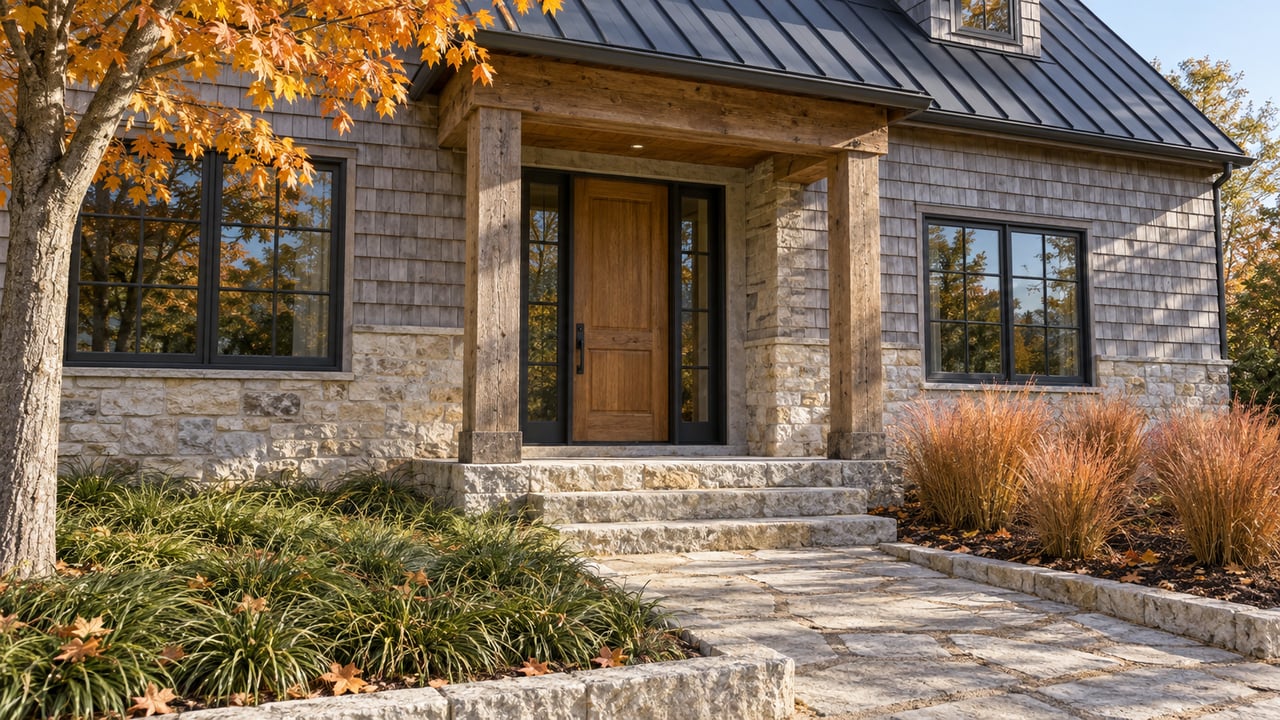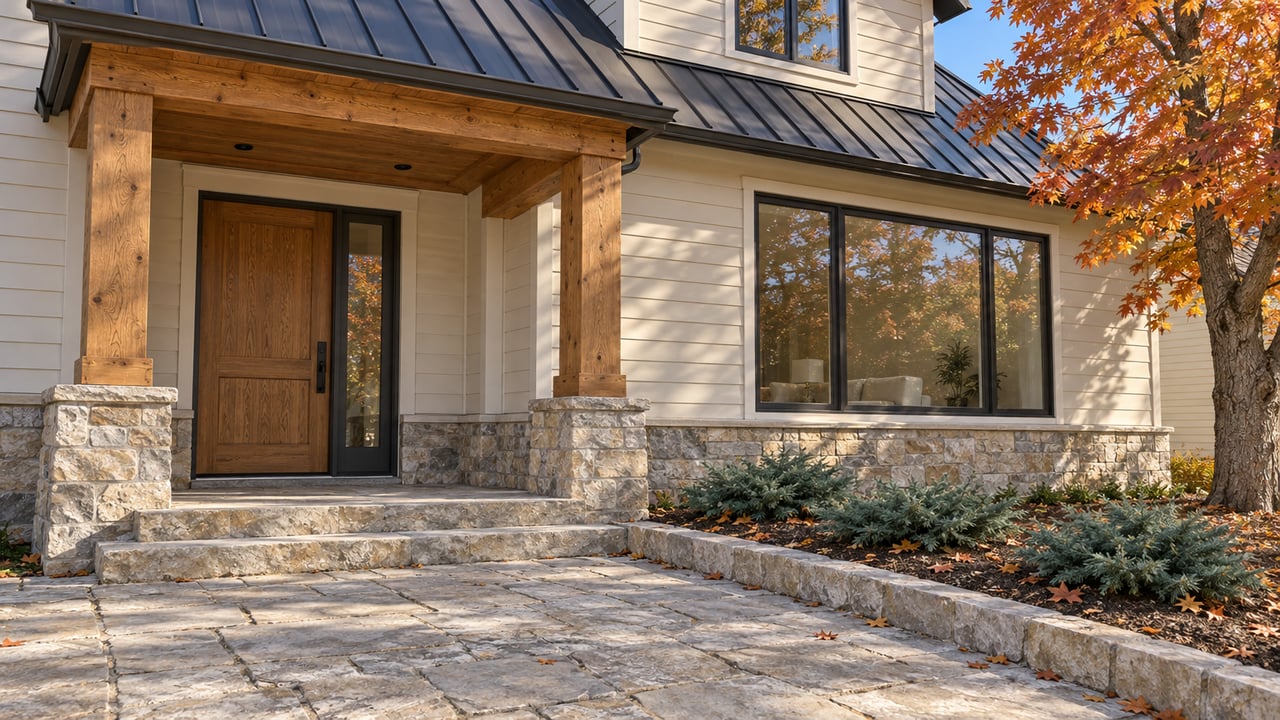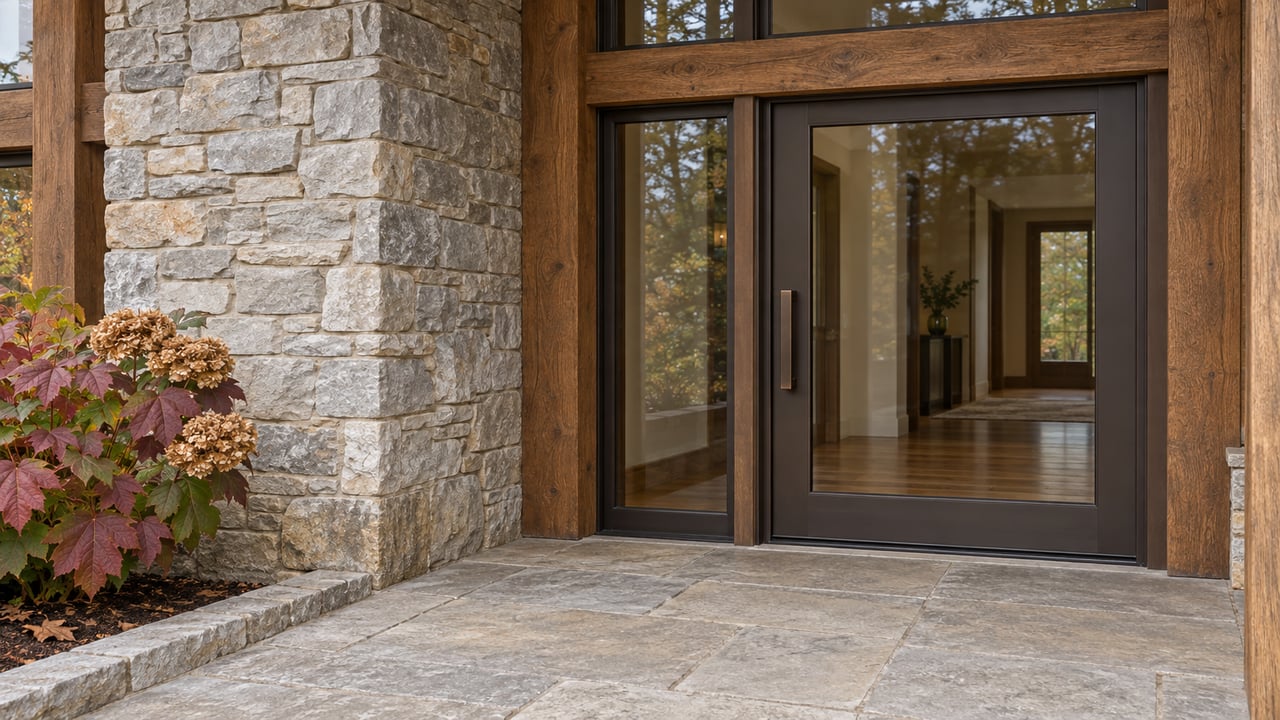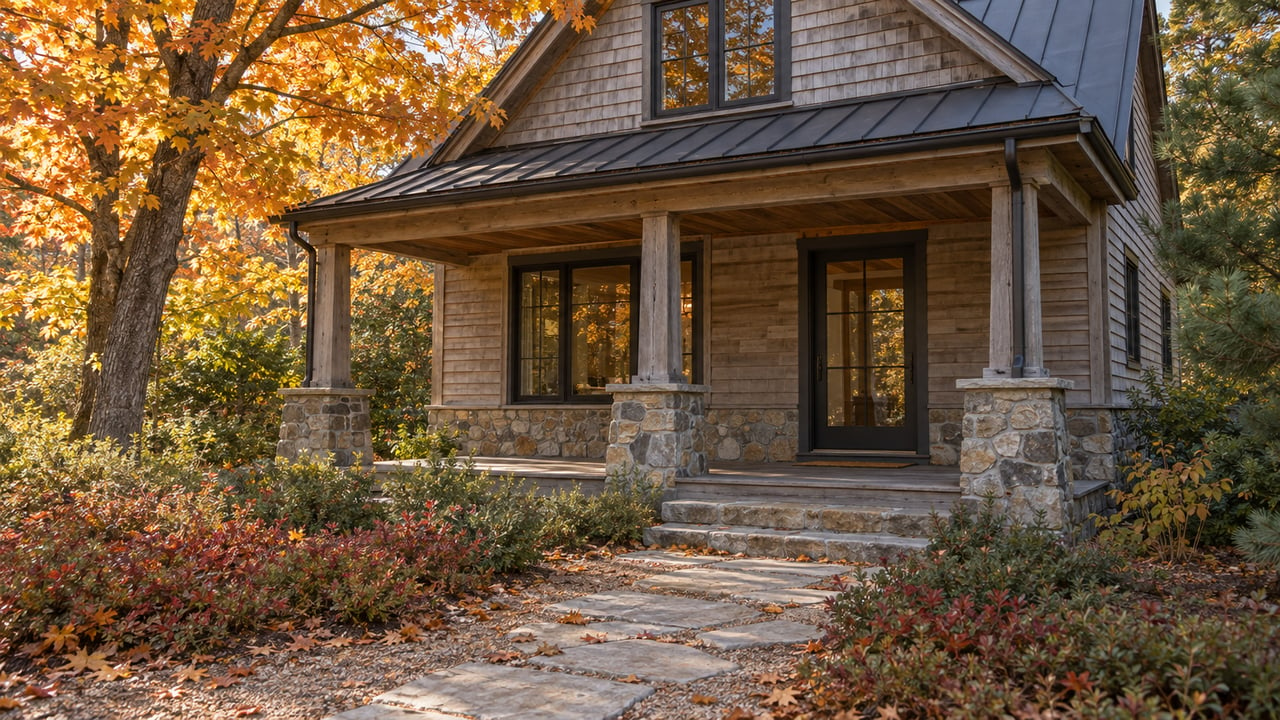
If you picture a downtown Traverse City condo as an easy, low-maintenance way to enjoy the bay, dining, trails, and events, you are not wrong. But buying the right condo downtown takes more than falling in love with a view or a walkable address. You also need to understand parking, HOA documents, building type, and how future development could shape your block. Let’s dive in.
Why downtown condos stand out
Downtown Traverse City packs a lot into a compact area. The city says the Boardman River runs through downtown, the district includes more than 200 locally owned businesses and more than 50 restaurants, and East and West Grand Traverse Bays frame the area.
That setting is a big part of the appeal. You are not just buying square footage. You are buying access to trails, the waterfront, restaurants, shops, and the energy of a year-round downtown that gets especially busy during peak seasons.
Downtown also functions differently than many other parts of Traverse City. The city notes that its daytime population is more than twice its official population, which helps explain why parking, event traffic, and seasonal logistics matter so much when you own a condo here.
What downtown pricing tells you
Downtown Traverse City generally commands a premium. Redfin’s March 2026 neighborhood data put the downtown median sale price at $635,000, compared with $470,000 citywide, $425,000 in Slabtown, $607,000 in Central Traverse City, and $295,000 in Traverse Heights.
These figures are not condo-only numbers, so they should be treated as directional rather than exact condo comps. Still, they help show that downtown tends to be one of the higher-priced areas in the city, even if it is not always the most expensive.
Redfin also reported that downtown homes were taking 96.5 days to sell in March 2026. For you as a buyer, that can suggest a market where sellers may be selective and negotiations may move at a steadier pace than in a fast-turn environment.
Compare building types carefully
One of the biggest mistakes condo buyers make is assuming downtown product is all basically the same. It is not. The downtown area includes residential-only buildings, riverfront communities, and mixed-use infill projects, and each type can offer a very different ownership experience.
The Downtown Development Authority plan supports greater density, public parking structures, and riverwalk improvements, and it notes that the downtown development area is zoned for both commercial and residential uses. In real life, that means your choice may come down to whether you want a quieter residential setting, a riverfront location, or a building with retail or commercial activity at street level.
Riverfront condos
Riverfront communities often appeal to buyers who want an urban location with a little more connection to water and trail systems. Riverine Condominiums is one example, with a location directly on the Boardman River in downtown and access to the Boardman Lake Trail and TART Trail.
In buildings like this, value is often tied to more than the unit itself. River views, waterfront proximity, and direct trail access can influence desirability just as much as finishes or square footage.
Newer luxury condo projects
Newer projects can offer features many downtown buyers want, especially if you are looking for a lock-and-leave setup. Peninsula Place, for example, was described as a five-story, 42-unit luxury condo project on East State Street with 45 enclosed parking spaces, upper-floor residences, and a rooftop terrace and garden planned for Grand Traverse Bay views.
For some buyers, newer construction means fewer immediate maintenance concerns and a more modern layout. But it can also mean you need to review presale materials, parking rights, and budgets very closely before you commit.
Mixed-use buildings
Mixed-use infill is another major part of the downtown market. A state housing announcement for 309 W. Front St. described a four-story project with commercial space on the first floor, up to 91 units above, underground parking, and more than 3,000 feet of new boardwalk along the Boardman River.
That kind of project can add energy and convenience to a block. It can also affect views, noise, traffic flow, and the feel of the area over time, which is why nearby development should always be part of your condo search.
Parking is not a side issue
In downtown Traverse City, parking is a major buying factor. The city says downtown has more than 3,000 vehicular parking spaces and more than 125 bicycle parking locations, with the Hardy and Old Town structures offering some of the most affordable parking rates in town.
That is helpful, but public parking availability is not the same thing as private parking certainty. A condo with deeded or clearly assigned parking can offer a very different day-to-day experience than one that depends on permits, garage use, or public options nearby.
The city also says overnight street parking is not allowed in the downtown area between 3 a.m. and 6 a.m. Overnight parking is instead available in the two parking garages and in permit lots P and T.
Resident parking permits have limits too. The city’s permit policy says they do not allow overnight parking in the DDA district or metered zones, and garage and surface permits are first-come, first-park rather than a guaranteed dedicated space.
Parking questions to ask
Before you buy, make sure you know exactly how parking works for the unit and the building.
- Is the parking space deeded, assigned, leased, or permit-based?
- Is the parking space inside, outside, or in a separate structure?
- Does the unit include guest parking access?
- Are there storage lockers or bike storage areas?
- What happens if you have a second vehicle?
- How does parking work during major downtown events?
For a full-time residence, parking certainty often matters more than buyers expect. For a part-time condo or pied-à-terre, you may be more willing to trade a little parking convenience for walkability and easier lock-up ownership.
Walkability and mobility are real advantages
Downtown condo living is not just about your car. Traverse City says downtown has strong bike connections through the TART Trail, the Boardman Lake Loop, and other routes linking neighborhoods, parks, schools, and downtown. The city also notes that bike racks are spread throughout downtown, with covered bike parking near the Hardy and Old Town structures.
Clinch Park adds another layer of appeal. The city highlights its beach, marina, and TART Trail access along West Grand Traverse Bay, giving downtown condo owners a close connection to the waterfront without needing to maintain a larger property.
If you want a home base where you can walk to dinner, reach the trail quickly, and spend less time on yard work or upkeep, downtown condos can be a strong fit. Just remember that convenience should be measured building by building, not assumed from the address alone.
Seasonality changes the ownership experience
Downtown Traverse City feels different in July than it does in January. The city’s National Cherry Festival parking information shows that major events can bring lot closures, event pricing, and alternate parking instructions.
That does not make downtown ownership harder. It simply means your experience will be more dynamic in peak season, especially if you use the condo part-time or expect easy vehicle access during festival periods.
If you love energy, events, and waterfront activity, this may be part of the appeal. If you prefer a quieter routine, you will want to think carefully about the exact building location, nearby event zones, and parking setup.
HOA review is where smart buyers win
A condo purchase is also a purchase into an association. Michigan’s Condo Buyer’s Handbook explains that the association is a private entity that governs the project through bylaws, maintains the common elements, and may hire a management company.
For a new condo purchase, the developer must provide the master deed, purchase agreement, buyer handbook, and a disclosure statement that includes developer experience, warranties, and an itemized association budget. That paperwork matters because it tells you how the project is structured and what financial obligations may come with ownership.
For resale purchases, do not rely only on listing remarks or a short seller summary. Michigan law says condo books, records, contracts, and financial statements must be available for examination, and associations with annual revenues above $20,000 generally need an annual CPA audit or review unless members opt out.
HOA documents to review
These are some of the most important items to request and read:
- Master deed
- Bylaws and rules
- Current operating budget
- Reserve information
- Recent financial statements
- Any CPA audit or review, if applicable
- Meeting minutes
- Parking and storage documents
- Rental and occupancy rules
Why reserves matter
Michigan’s Condo Buyer’s Handbook says associations must maintain a reserve fund for major repairs and replacement of common elements. It also says the minimum amount is 10% of the annual budget on a non-cumulative basis.
If reserves are too low, owners may face special assessments. The handbook also notes that unpaid assessments become a lien on the unit, so this is not a minor detail.
A building with stable dues and healthy reserves can feel very different from one that has deferred maintenance or weak budgeting. When you compare downtown condos, the monthly HOA fee alone does not tell the whole story.
Presale vs. resale condos
Both options can make sense, but they serve different goals.
In a presale, the developer initially appoints the board, and control transitions to owners gradually as units sell. Because the building does not yet have a long operating history, it is especially important to review the disclosure statement, budget, parking documents, and the full condo structure carefully.
A resale condo can be attractive if you want immediate occupancy and a proven record on dues, parking, and maintenance. You may also have more real-world information about how the building functions day to day.
Presale may fit you if:
- You want newer construction
- Modern finishes and layouts matter to you
- You are comfortable reviewing detailed development documents
- You are planning ahead rather than needing immediate move-in
Resale may fit you if:
- You want to move in sooner
- You prefer a building with an operating history
- You want to see actual dues, maintenance patterns, and rules in practice
- You value fewer unknowns around daily use
Check rental and occupancy rules early
If you want flexibility, verify it before you get emotionally attached to a unit. Michigan’s Condo Buyer’s Handbook notes that condo documents may address rental and occupancy terms, so you should confirm whether a building works for your intended use.
That could mean a primary residence, a second home, a pied-à-terre, or occasional rental use. The answer will depend on the documents for that specific association, not on assumptions about downtown condos in general.
Don’t overlook future development
Downtown Traverse City is still evolving. The city and DDA planning documents support continued public parking, riverwalk, and density-related improvements.
For you, that means a great view today may not be the same view in a few years. If quiet, privacy, or a specific outlook matters, review nearby planned projects and current development patterns before you buy.
This is especially important in mixed-use and river-adjacent areas, where changes can improve amenities while also shifting traffic, noise, or block character.
A simple buyer checklist
As you narrow your options, focus on the issues that most affect daily life and long-term confidence.
- Compare building type, not just price per square foot
- Confirm exactly how parking works
- Review HOA finances and reserve strength
- Read rental and occupancy rules carefully
- Check storage, bike parking, and guest parking
- Look at nearby planned development
- Think about summer event logistics as well as winter quiet
- Match the condo to your real use case, full-time or part-time
Downtown Traverse City condos can be a great fit if you want walkability, low-maintenance ownership, and easy access to the bay, trails, and downtown amenities. The key is choosing a building that fits how you actually plan to live.
If you want local guidance on downtown condo presales, resales, or how to compare buildings block by block, connect with Ken Kleinrichert. His local market knowledge and condo experience can help you make a more confident move.
FAQs
What makes downtown Traverse City condos different from other Traverse City homes?
- Downtown condos offer a more urban ownership experience, with close access to restaurants, shops, trails, the waterfront, and seasonal events, but they also require closer attention to parking, HOA rules, and nearby development.
What should downtown Traverse City condo buyers ask about parking?
- You should ask whether parking is deeded, assigned, leased, or permit-based, whether overnight parking is allowed, whether guest parking exists, and how event-season parking affects daily use.
What HOA documents should Traverse City condo buyers review before buying?
- You should review the master deed, bylaws, current budget, reserve information, financial statements, meeting minutes, parking documents, and any rental or occupancy restrictions.
Are presale condos in downtown Traverse City riskier than resale condos?
- Presale condos are not automatically riskier, but they usually come with less operating history, which makes it especially important to review budgets, disclosures, parking rights, and developer documents carefully.
Can you rent out a downtown Traverse City condo later?
- Possibly, but you need to verify the specific building’s bylaws and condo documents because rental and occupancy terms can vary by association.
How important is future development when buying a downtown Traverse City condo?
- It is very important because continued downtown growth, mixed-use projects, parking changes, and riverwalk improvements can affect views, noise, traffic, and the overall feel of a block over time.