Thinking about relocating to Traverse City? The hardest part is often not deciding whether to move here, but figuring out which housing option actually fits your day-to-day life. If you want a clear look at the tradeoffs between downtown condos, in-town neighborhoods, and outer-township or peninsula living, this guide will help you compare your options with more confidence. Let’s dive in.
Traverse City Housing at a Glance
Traverse City offers a smaller-city lifestyle with several distinct housing paths, and each one comes with a different balance of cost, convenience, space, and setting. The city has 15,782 residents, while Grand Traverse County has 96,625, so your search can feel very different depending on whether you focus on the city itself or cast a wider net.
The city’s median owner-occupied home value is $415,400, compared with $339,400 countywide. Owner occupancy is 63.7 percent in the city and 77.2 percent across the county, which hints at a more varied housing mix in town and a more ownership-heavy pattern in surrounding areas.
Commute patterns also help frame the conversation. The city’s mean travel time to work is 17.2 minutes, compared with 20.6 minutes countywide, which supports what many relocators already suspect: living closer in often buys you convenience, not just an address.
Downtown Condos and the Walkable Core
If you want to be close to restaurants, shops, events, and daily errands, downtown Traverse City stands out. Downtown alone has more than 3,000 vehicular parking spaces and more than 125 bicycle parking locations, and BATA’s free Bayline runs from the East Bay Beach District through downtown to Grand Traverse Commons and Meijer.
For people who value mobility without driving everywhere, the urban core has another practical advantage. BATA’s City Loop serves the core with 30-minute weekday frequency and hourly evening service, which can make it easier to get around for work, errands, or leisure.
That said, condo living is about more than the purchase price. Condo and HOA dues are usually paid separately from the mortgage and may cover shared expenses like landscaping and maintenance, so your monthly budget should reflect the full carrying cost, not just principal and interest.
The appeal of the core is not just about location on a map. City neighborhood feedback shows residents value safer crossings, better bus shelters, more local businesses, and more walkable and bikeable streets, which reinforces why downtown and nearby condo options are attractive to many relocating buyers.
Who Downtown Living Fits Best
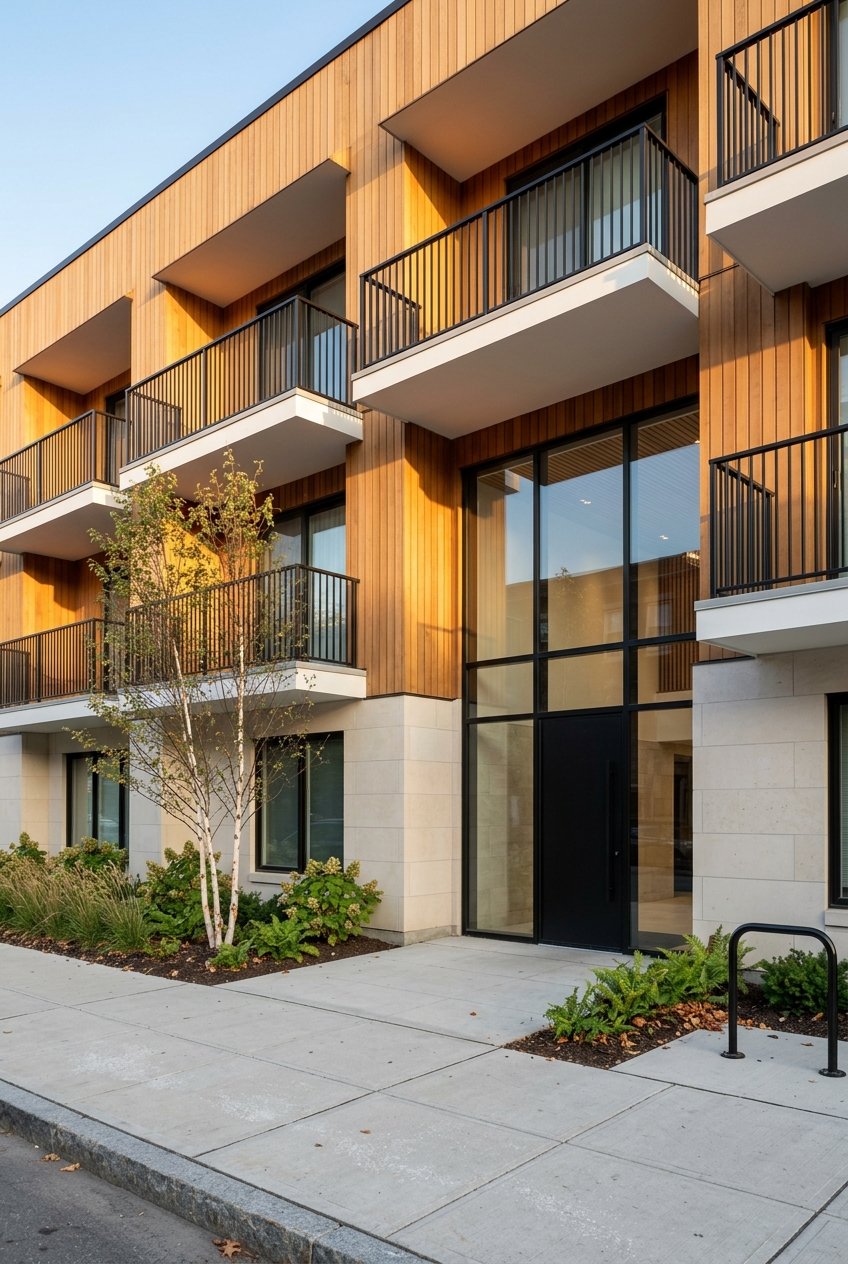
Downtown or near-downtown condos can make sense if you want a lower-maintenance lifestyle and easy access to everyday destinations. This option can be especially appealing if you are downsizing, buying a second home, or relocating for a lifestyle that prioritizes convenience over yard space.
The tradeoff is usually space, privacy, and monthly ownership costs beyond the mortgage. If your priority is to lock the door and enjoy the city, that tradeoff may feel worthwhile.
In-Town Neighborhoods Offer a Middle Ground
Not every relocating buyer wants the density of downtown or the distance of a rural setting. In Traverse City, in-town neighborhoods often offer a useful middle ground between walkable convenience and more traditional residential living.
The city grouped neighborhood feedback into areas such as Central, Old Towne, Midtown, Slabtown, Boardman, Oak Park, Oakwood, NoBo, and Traverse Heights. While each area has its own feel, the broader pattern is helpful for buyers trying to narrow their search.
Across these neighborhoods, residents most wanted to preserve tree-lined streets, historic homes, quiet blocks, parks, neighborhood schools, and access to water and beaches. For a relocating household, that points to an in-town experience that often blends character, daily convenience, and a little more breathing room than the downtown core.
What You May Gain in an In-Town Neighborhood
An in-town neighborhood may give you:
- More single-family housing options
- Easier access to parks and neighborhood streets
- A balance between downtown access and residential quiet
- A shorter commute than many outer-township choices
These areas can be a strong fit if you want a year-round home base and care about how the neighborhood feels during a normal Tuesday, not just during summer weekends.
What to Watch Closely
The middle-ground appeal of in-town neighborhoods also means demand can stay strong. If you are comparing these areas to downtown condos or outer-township homes, it helps to think beyond square footage alone and weigh how much you value location, lot size, and daily convenience.
It is also smart to verify details by address instead of relying on neighborhood names. For example, school boundaries should be confirmed with the TCAPS district boundary map rather than assumed from a listing location.
Peninsula Living Brings a Different Lifestyle
If your idea of Traverse City includes shoreline views, a quieter setting, and a stronger sense of separation from town, peninsula living may be what draws you in. Old Mission Peninsula is the most recognizable example tied to Traverse City.
Peninsula Township says the peninsula extends about 16 miles into Grand Traverse Bay, is about 1 to 3 miles wide, and has about 42 miles of Great Lakes shoreline. Its 2024 population estimate is 6,127, which helps illustrate how different this setting is from the city.
The ownership profile is different too. Peninsula Township has an owner-occupied rate of 90.2 percent and a median owner-occupied home value of $706,900, which is far above both the city and county medians.
The Main Peninsula Tradeoffs
For many buyers, the appeal is clear:
- More shoreline-oriented and scenic settings
- A stronger sense of privacy and separation
- A housing environment that feels distinct from downtown
But the tradeoffs are just as important:
- Higher typical home values than the city or county overall
- More driving for daily errands and routines
- Township-specific rules that may differ from city living
If you are relocating from a larger metro area, peninsula life can feel refreshingly quiet. At the same time, it helps to be honest about whether you want a destination feel every day or a home base closer to your regular errands and appointments.
Outer Townships Are Not One-Size-Fits-All
One common mistake relocators make is assuming that farther out always means less expensive. Around Traverse City, that is not always true.
Nearby median owner-occupied home values show a wide range. Garfield Township is $316,200, East Bay Township is $278,800, Long Lake Township is $410,600, and Peninsula Township is $706,900.
Long Lake Township is a good reminder that outer areas do not automatically come at a discount. Its median value is close to the city median, so your tradeoff may be more about setting and property type than major savings.
How to Think About Outer-Area Searches
If you widen your search outside the city, focus on the lifestyle you want first. Some buyers are looking for more land, quieter roads, or a different relationship to the water and woods, while others mainly want value and are open to driving more.
This is where a relocation search benefits from careful local guidance. Two homes with similar prices may offer very different daily experiences depending on road access, nearby services, and how often you plan to be in town.
Transit and Commute Matter More Than You Think
When you are relocating, it is easy to focus on listing photos and forget the rhythm of ordinary life. In Traverse City, transit access and commute expectations can help separate a good fit from a frustrating one.
The Bayline and City Loop make the city core more usable without constant driving. In contrast, BATA’s Village Loop connects Traverse City to nearby villages like Suttons Bay, Kingsley, and Interlochen, but service is generally every two hours outside the busiest windows and is limited after 7 p.m. in village areas outside Traverse City.
BATA also notes service toward Old Mission Peninsula and the Leelanau Peninsula. Still, outlying service is less frequent than city and Bayline service, which means many outer-area buyers should expect to drive for most errands and appointments.
A Simple Commute Reality Check
Before you choose a location, ask yourself:
- How often will you need to be downtown?
- Do you want walkable access to daily needs?
- Are you comfortable driving for most errands?
- Does a short commute matter on weekdays?
Your answers can quickly clarify whether you should focus on downtown, in-town neighborhoods, or outer-township and peninsula options.
Affordable Housing and Planning Checks
If affordability is part of your relocation plan, it is worth knowing that housing efforts are active locally. Grand Traverse County’s Land Bank Authority says its mission is to convert tax-reverted and acquired properties into affordable housing and economic development opportunities, and the city’s housing projects page shows ongoing affordable and workforce-housing efforts.
That does not remove today’s market tradeoffs, but it does show that local housing supply and attainability are active issues in the area. For buyers, this is another reason to stay flexible and compare neighborhoods by practical fit, not just by first impressions.
How to Choose the Right Fit
The best Traverse City housing choice depends on how you want to live once the move is over. If you want walkability and low-maintenance ownership, downtown condos may rise to the top. If you want balance, in-town neighborhoods may offer the strongest mix of convenience and residential feel. If privacy, shoreline setting, or more space matter most, peninsula or outer-township options may be worth the extra drive.
Relocating well means matching the property to your real routine, not your vacation version of the area. If you want help comparing neighborhoods, condo options, peninsula properties, or single-family homes around Traverse City, Ken Kleinrichert can help you sort through the tradeoffs and find the right fit for your move.
FAQs
What housing options should you compare when relocating to Traverse City?
- Most relocating buyers compare downtown condos, in-town neighborhoods, and outer-township or peninsula homes, each with different tradeoffs in cost, space, convenience, and setting.
How expensive is housing in Traverse City compared with nearby areas?
- Traverse City’s median owner-occupied home value is $415,400, compared with $339,400 in Grand Traverse County, with nearby townships ranging from $278,800 in East Bay Township to $706,900 in Peninsula Township.
Are downtown Traverse City condos a good fit for relocating buyers?
- Downtown condos can be a strong fit if you want walkability, transit access, and lower-maintenance living, but you should budget for condo or HOA dues in addition to your mortgage.
What is the tradeoff of living on Old Mission Peninsula?
- Old Mission Peninsula offers a quieter, shoreline-oriented setting and a distinct ownership environment, but home values are generally higher and most buyers should expect to drive more for errands and daily routines.
How should you check school boundaries when moving to Traverse City?
- School boundaries should be verified by exact address using the TCAPS district boundary map rather than assumed from a neighborhood name or listing description.
Does living farther from Traverse City always cost less?
- No. Nearby markets vary widely, and places like Long Lake Township show that outer areas are not always cheaper than the city.