Shopping for a condo in Traverse City and not sure what a reserve study is? You’re not alone. You want predictable dues, a healthy building, and no surprise special assessments that blow up your budget. In this guide, you’ll learn what a reserve study covers, how it affects monthly HOA dues and financing, where to find the right documents, and the key red flags to watch. Let’s dive in.
What a reserve study is
A reserve study is a planning tool condo associations use to forecast major common‑area repairs and replacements and to map out a funding plan. It has two core parts: an inventory of building components with estimated useful life and costs, and a funding analysis that recommends contributions to stay on track. The goal is simple: avoid surprise special assessments by saving ahead for big-ticket items.
What it usually covers
Reserve studies focus on shared, capital items. In Traverse City condos, that often includes:
- Roofs and roof membranes
- Exterior walls, siding, and masonry repairs
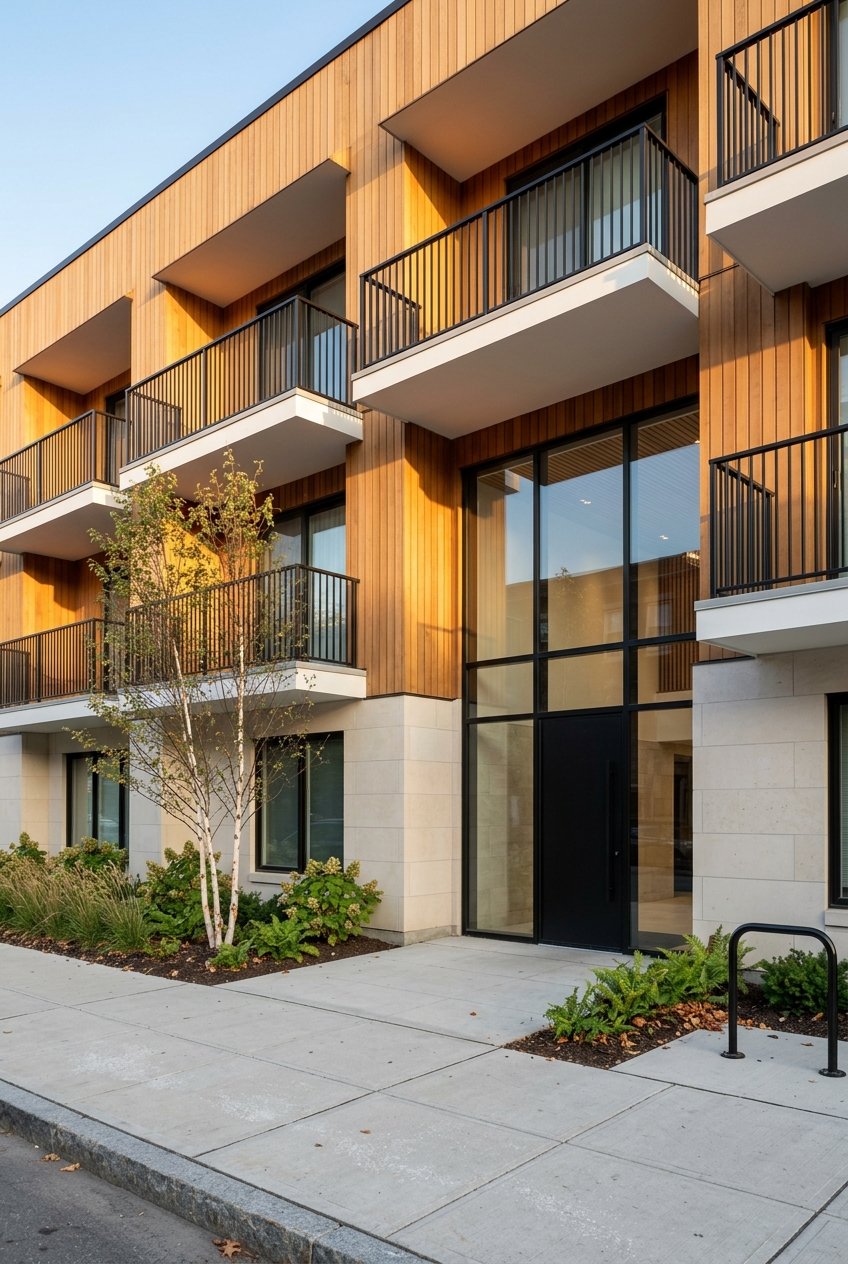
- Balconies, deck waterproofing, and railings
- Windows and exterior doors that are part of the building envelope
- Parking structure decks and pavement resurfacing
- Elevators and control systems
- Boilers, chillers, and communal HVAC
- Fire protection systems
- Exterior painting and coatings
- Gutters, drainage, and common-area lighting
- Flooring in lobbies, corridors, and amenity spaces
Lifespan basics (illustrative)
Useful life varies by materials, installation quality, and climate. Typical ranges seen in studies include asphalt pavement at about 10–25 years, roof membranes at roughly 20–30 years, balcony waterproofing and sealants at about 5–20 years, windows at around 20–30 years, and boilers or HVAC at about 15–30 years. These are projections, not guarantees.
Assumptions to keep in mind
Reserve studies rely on visual inspections, cost estimates, and funding choices made by the association. Providers may use different inflation assumptions, contingency rates, or unit costs, which can lead to variation between studies. Treat the study as a planning tool that should be refreshed periodically, not a fixed promise.
How reserves shape dues and risk
Funding goals and methods directly influence your monthly HOA dues and the chance of special assessments. Some associations target baseline funding to maintain a minimum balance, while others aim for full funding where reserves match the value of wear to date. Contributions are often set using either a component-by-component method or a cash‑flow approach that smooths payments over time.
When reserves are underfunded, the risk of large one‑time assessments or sudden dues hikes rises when major repairs come due. Adequately funded reserves support predictable dues and timely replacements. Many boards choose gradual increases to stay on plan, which can mean a healthier building and fewer budget shocks.
How decisions cascade
- Example A: The board adopts a level‑funding plan to reach the recommended reserve level over five to ten years. Dues rise moderately now and the risk of special assessments stays low.
- Example B: The board keeps dues low and defers contributions. When a costly component fails, the association may need a large assessment or to borrow.
Why lenders care
Mortgage lenders and insurers review association finances, including reserve funding, when approving condo projects. Weak reserves or recent special assessments can complicate financing or require more documentation. If you plan to finance, confirm early that the project meets your lender’s condo standards.
Traverse City factors to watch
Climate and exposure
Northern Michigan winters bring freeze–thaw cycles, snow loads, and road salt. These conditions can accelerate wear on roofs and flashing, balcony membranes and sealants, exterior masonry and pointing, and pavement or parking decks. Grand Traverse Bay is freshwater, but humidity and salt from roads can still affect corrosion and concrete spalling.
Building age and type downtown
Downtown includes older buildings, adaptive re‑use projects, and mixed‑use structures with retail at street level. Converted or historic buildings can carry hidden costs in masonry, foundations, older roof systems, or mechanicals. Mixed‑use buildings may have different use patterns that change maintenance and replacement timing.
Local contractor dynamics
Northern Michigan’s construction season is busy, especially in summer. Scheduling pressure and seasonal demand can influence costs and timelines. Check whether the reserve study’s cost assumptions reflect local pricing and realistic schedules.
Financing and investor details
If you’re financing, ask your lender about project requirements such as reserve funding, owner‑occupancy, and any litigation or special assessments. Investors should confirm rental rules in the governing documents and whether rental mix affects underwriting.
How to read a reserve study
Focus on a few essentials when you review the report:
- Date of the study and the last site inspection. A study older than three to five years may be stale.
- Components included and excluded so you understand what is and is not funded.
- Assumptions for remaining life, replacement costs, and any cost escalation or contingency.
- Recommended contribution schedule and funding goal.
- Qualifications of the preparer and whether inspections were visual or more detailed.
Buyer due‑diligence checklist
Documents to request right away
- Most recent reserve study and funding plan
- Current reserve fund balance with date
- Current and prior year budgets
- Last 2–3 years of financial statements
- Last 12–24 months of board meeting minutes
- History of special assessments and capital projects (5–10 years)
- Governing documents: declaration/master deed, bylaws, rules
- Insurance certificates and coverage summaries for common areas
Smart questions to ask
- When was the last physical inspection for the reserve study?
- Who prepared it and what are their qualifications?
- What funding goal did the board select and why?
- What is the current percent‑funded figure per the latest study?
- Are any capital repairs deferred? If so, how will they be funded?
- Are any special assessments, loans, or major projects pending?
- What dues increases are planned over the next 1–3 years?
Red flags to investigate
- No reserve study or one older than five years
- Reserve balance far below the study’s recommended level
- Frequent special assessments in recent years
- Deferred maintenance in minutes with no funding plan
- Study prepared by someone without clear credentials or with a conflict of interest
- Reliance on short‑term borrowing without a repayment plan
Next steps if concerns pop up
- Ask for clarification, an updated study, or a written capital plan
- Include a contingency for review of reserves and capital expenses in your offer
- For large or complex buildings, consider a third‑party inspector or engineer with multi‑unit experience
- Check lender project requirements early if financing matters to you
What this means for your budget
A healthy reserve plan supports predictable dues and timely replacements. Underfunding can feel good today but raises the odds of a costly assessment later. Your goal is balance: contributions that match the building’s true needs, supported by a clear plan and credible numbers.
Make a confident Traverse City offer
When you understand the reserve study, you can judge the real cost of ownership and negotiate with confidence. Get the documents early, read the funding plan, and ask direct questions. If everything lines up, you’ll enjoy the downtown lifestyle with fewer financial surprises.
If you want help reviewing condo documents or planning your next move in Grand Traverse, reach out to Ken Kleinrichert for a friendly consultation. Ken pairs deep local knowledge with hands‑on guidance so you can buy with clarity.
FAQs
What is a condo reserve study and why does it matter in Traverse City?
- It’s a forecast of major common‑area repairs and a funding plan; in Traverse City’s climate, it helps ensure timely roof, envelope, and pavement work without surprise assessments.
How often should a condo reserve study be updated?
- Many buyers look for a study updated within the last three to five years and prefer one with a recent site inspection.
How do reserves affect my monthly HOA dues?
- The funding goal and method set contribution levels; adequate funding supports predictable dues, while underfunding can lead to sudden increases or special assessments.
Where do I find reserve information during a purchase?
- Ask for the latest reserve study, current reserve balance, budgets, recent financials, board minutes, special assessment history, and governing documents.
What red flags should I watch for in a Traverse City condo HOA?
- An outdated or missing study, low reserve balances versus recommendations, frequent assessments, deferred maintenance, and unclear preparer credentials.
Can weak reserves affect my mortgage approval?
- Yes. Lenders review condo project finances, and insufficient reserves or recent assessments can trigger extra documentation or financing hurdles.