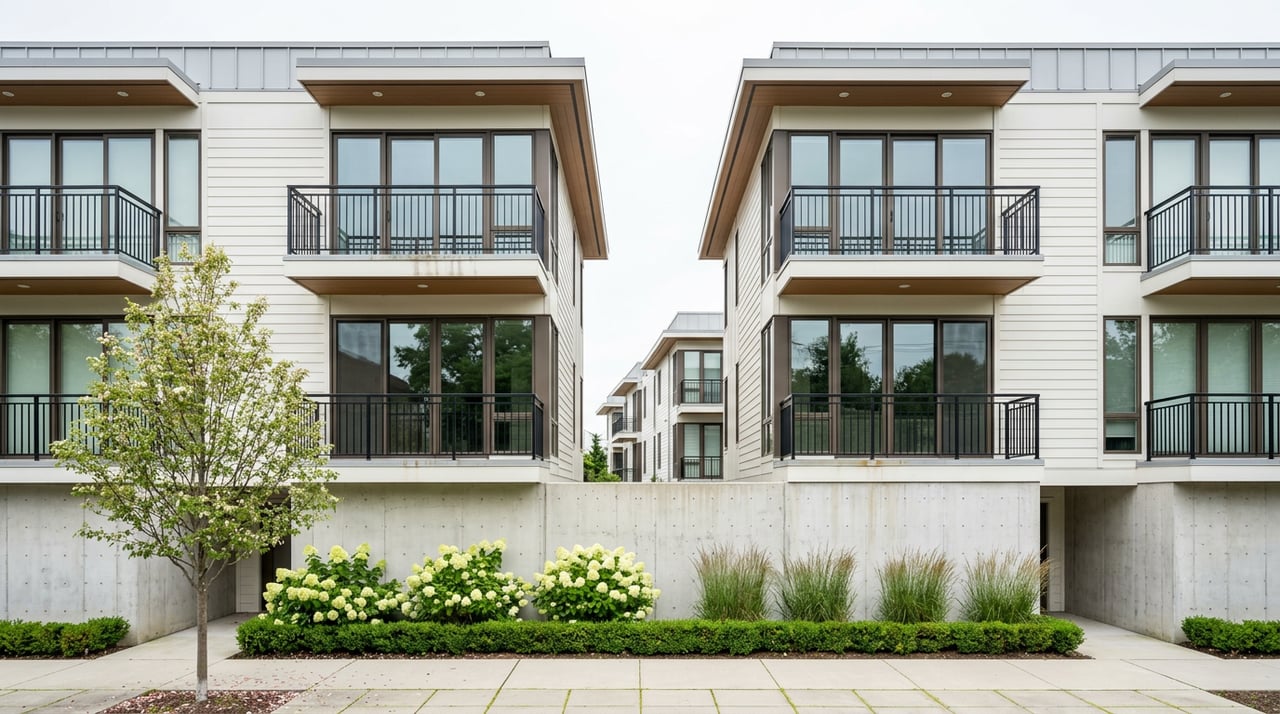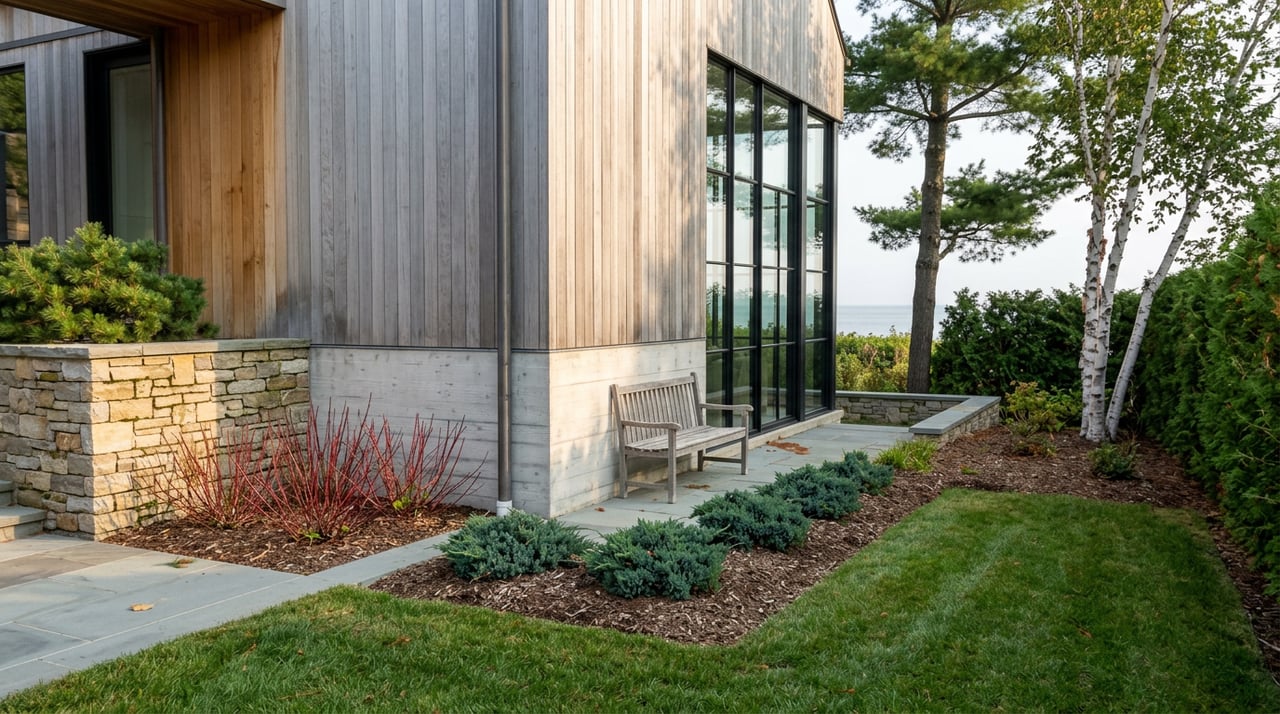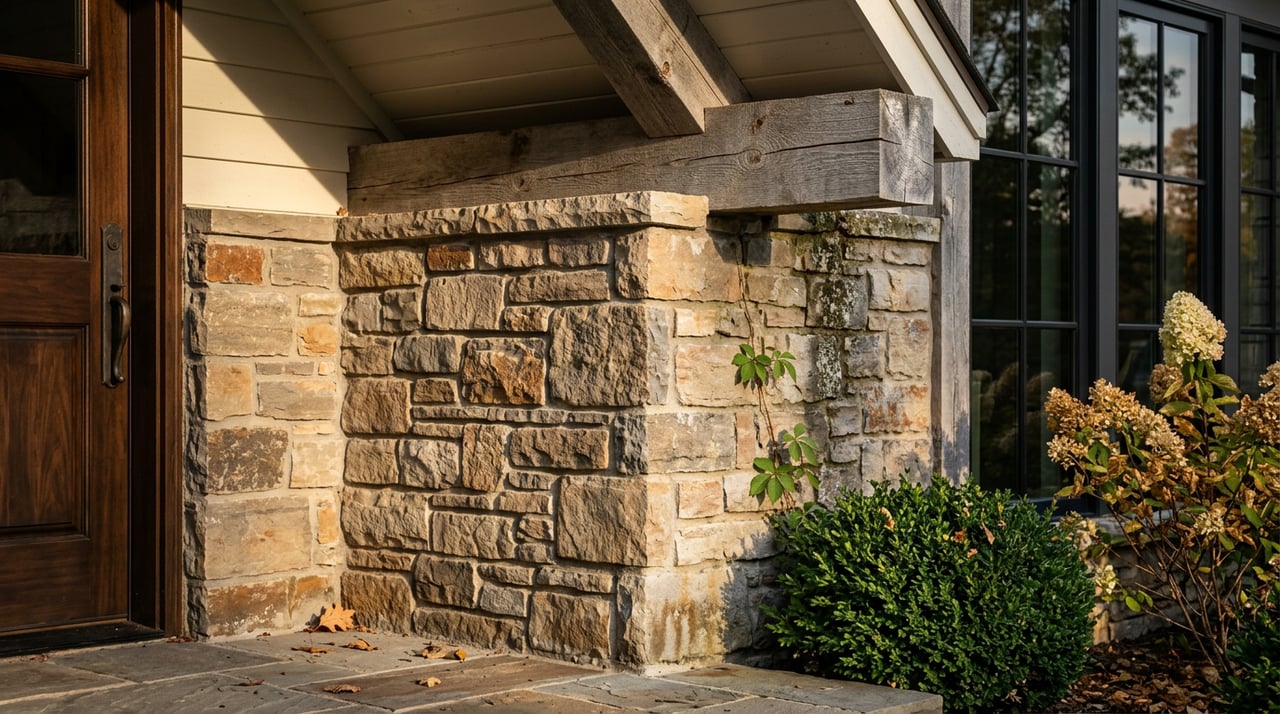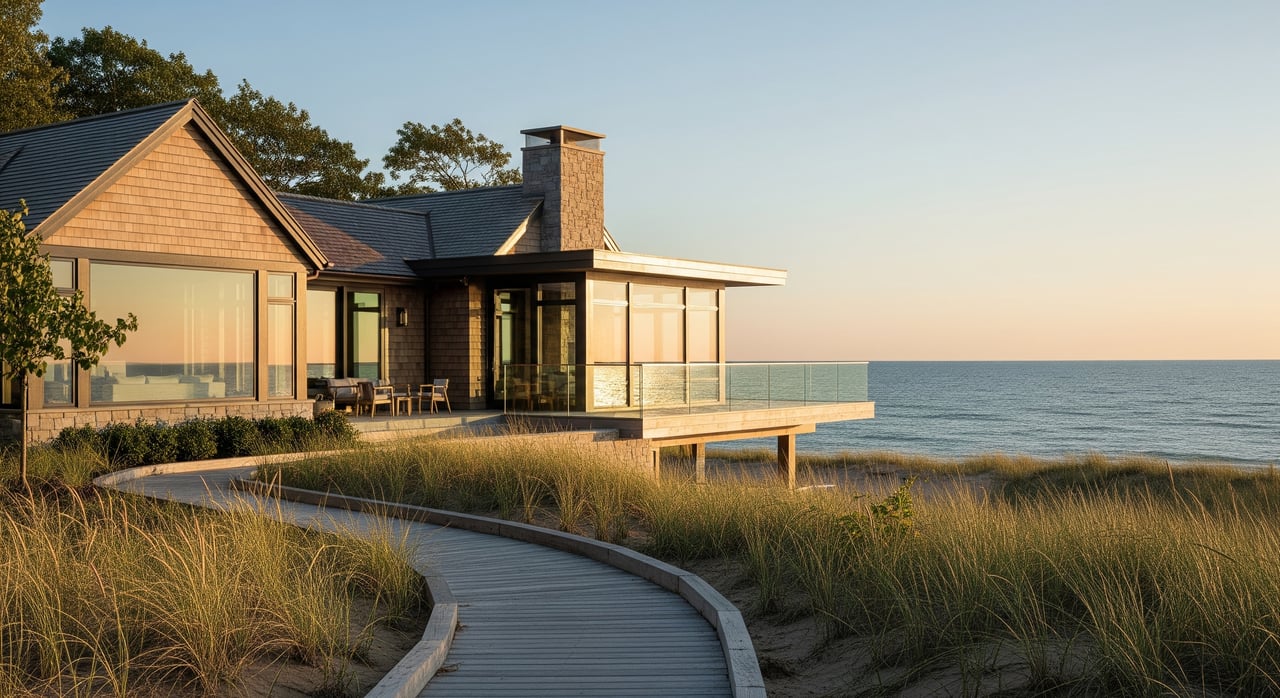
If you picture yourself in a classic summer cottage steps from Lake Michigan or a sleek glass-walled retreat on a bluff, Empire has both. With the dunes next door and a true four-season climate, the way homes are designed here really matters for comfort, upkeep, and resale. In this guide, you’ll learn how to spot Empire’s most common home styles, how lot type shapes design choices, and what to expect for maintenance, energy performance, and long-term value. Let’s dive in.
Empire setting and why it matters
Empire sits on Lake Michigan near Sleeping Bear Dunes, with bluff-front shoreline, gentle lake lots, wooded inland parcels, and agricultural land. This mix of terrain and the proximity to a national lakeshore shape how homes look and how they perform. Many properties outside the village core use private wells and septic systems, which affects additions and guest space plans.
Winters bring regular freeze and thaw cycles, substantial snow, and strong winds off the lake. That means homes need sturdy roof systems, reliable drainage, and durable exterior materials. Lakeshore microclimates can be milder in temperature, but wind-driven moisture and intense sun increase weathering on siding, decks, and windows.
Because of sensitive shorelines and dunes, multiple agencies can be involved in permits and approvals. Local village and township rules, county planning, state shoreline guidance, FEMA flood maps, and National Park Service considerations can all come into play. Plan to confirm requirements early if you want to remodel or expand.
Recognize Empire’s home styles
Classic lakeside cottages
These modest one or one-and-a-half story homes often have gabled roofs, clapboard or cedar-shake siding, and a screened or covered porch. Floor plans are simple, and main living areas typically face the lake or street to catch views and breezes. You will see them on smaller lake-adjacent lots and in village neighborhoods.
Appeal: strong vacation vibe and lower initial cost. Challenges: older insulation, outdated mechanicals, and exterior finishes that need regular care.
Bungalows and Craftsman influence
Look for low-pitched roofs, exposed rafters, tapered columns, and natural materials like wood and stone. Inside, built-in cabinetry is common. These homes fit well on small village lots and make efficient year-round spaces.
Appeal: durable character and broad buyer interest. Challenges: upgrading systems while preserving original details and meeting current code.
Farmhouse and vernacular country homes
These simple rectangular homes often have full-height porches and board-and-batten or clapboard siding. You will find them on larger inland or rural parcels. Orientation may emphasize sun exposure or pastoral views rather than direct lake views.
Appeal: flexible for additions and accessory buildings. Market appeal varies by buyer type and setting.
Mid-century and post-war cottages
Single-story ranch or split-level forms with a horizontal feel, bigger windows, and simpler trim define this group. They are common on slightly larger lots from mid-20th-century neighborhood expansions.
Appeal: often approachable price points. Challenges: expect heavier renovation for energy, mechanicals, and layout expectations.
Contemporary lake houses
Modern homes use large expanses of glass, open plans, flat or shed roofs, and mixed materials such as wood, steel, and concrete. They often occupy bluff or premium lakefront lots to maximize views with big decks and terraces.
Appeal: strong year-round living potential and high resale on premium lots. Challenges: more glass and decking means more maintenance, and bluff sites can trigger stricter reviews and permits.
Hybrids, additions, and STR-ready updates
Many owners extend cottages with guest suites, sunrooms, or ADUs. Others refresh kitchens and baths for vacation rental use. These changes interact with septic capacity, well placement, and setback rules, so expect planning and documentation needs.
Lot type shapes design choices
Bluff-front shoreline
Bluff lots offer the biggest views and the most regulation. Erosion risk and lake level changes may affect setbacks, foundation choices, and landscaping. Builders often use pier or frost-protected shallow foundations on shallow or sensitive sites, and water management is critical to protect the slope.
Expect more scrutiny on glazing, decks, and site work. If you plan changes, ask early about bluff setbacks and dune protections.
Gentle lakefront and near-lake lots
Homes on gentle slopes or near the beach tend to orient living spaces toward the water with porches and decks for breezes and sunsets. Floodplain questions and drainage are important, and basements need careful waterproofing and sump systems where groundwater is high.
Snow loads, wind, and ice dams drive roof design details and maintenance. Materials should resist moisture and ultraviolet exposure better than standard inland picks.
Inland wooded or rural parcels
Inland sites allow more flexibility in footprint, accessory buildings, and solar orientation. Farmhouse and country-style homes are common here. Tree cover can limit solar potential, while open fields can be ideal for panels or south-facing roof planes.
Wells and septic systems are the norm. Additions and guest spaces must be sized to the septic system and setbacks.
Maintenance realities by style and material
Siding and trim
- Wood clapboard and shingles look great but need steady care. Expect painting every 5 to 10 years, and stain or oil finishes every 2 to 5 years depending on weather exposure.
- Cedar shakes have good natural durability but need inspections for rot and fastener corrosion in coastal air.
- Fiber-cement and engineered cladding reduce maintenance and resist rot and insects, which helps in freeze and thaw cycles.
- Use corrosion-resistant fasteners and hardware near the lake to limit rusting.
Roofs, snow, and wind
- Asphalt shingles are common, with 20 to 30 year lifespans depending on quality and care. Standing seam metal roofs often last 40 years or more, shed snow well, and handle wind.
- Steeper pitches and snow guards help prevent roof avalanches onto decks. Annual checks for ice dams, flashing, and chimney seals are smart after winter.
Decks and outdoor living
- Pressure-treated wood needs staining or sealing every 2 to 5 years and wears faster in coastal conditions. Composite decking reduces maintenance and can last 15 to 25 years or more.
- Inspect deck ledgers and flashing on older cottages to prevent water intrusion.
Foundations and water management
- Basements are common and can face moisture issues with high groundwater or runoff. Sump pumps, perimeter drains, and good grading are essential.
- Crawlspaces should be ventilated or encapsulated and insulated for year-round use.
Mechanicals and chimneys
- Many cottages retain wood stoves or fireplaces for ambiance. Sealed-combustion appliances or direct-vent fireplaces improve efficiency and safety.
- Propane is common outside gas service areas. Coastal moisture can corrode HVAC equipment, so regular service matters.
Septic systems and wells
- Verify septic age, capacity, and location relative to shoreline or wetlands before planning additions or guest spaces.
- Test well water and confirm well depth and pump condition. Keep records of maintenance and permits.
Energy and year-round comfort
Insulation and air sealing
- Older cottages offer big gains with attic insulation, wall cavity fills where feasible, air sealing, and window upgrades or storms.
- Contemporary homes often meet modern code, but large glass walls increase heating and cooling needs. High-performance glazing with low-e coatings and insulated frames is important.
Heating and cooling
- You will see electric resistance heat, propane furnaces, and increasingly cold-climate air-source heat pumps. Ductless mini-splits work well in retrofits for zoned comfort.
- Many modern lake homes use radiant floor heat for comfort in kitchens and baths. For conversions to year-round living, pair efficient heat sources with distribution upgrades.
Ventilation and moisture control
- Tighter homes need mechanical ventilation. ERV or HRV systems help manage humidity and fresh air in cold climates.
- Vent dryers and bath fans to the exterior and manage indoor humidity to protect finishes and reduce ice-dam risk.
Windows and shading
- Choose windows that balance views and thermal performance. Low-e glass, gas fills, and insulated frames are recommended near Lake Michigan.
- Overhangs, exterior shades, or deciduous trees can reduce summer heat gain on south and west exposures.
Renewables and site potential
- Solar viability depends on tree cover and orientation. Open bluff sites and south-facing roof planes have better potential than dense woods.
- Battery storage can support electrification where it pencils out with the grid and usage.
Resale and buyer demand
Modest, well-kept cottages near the beach or village amenities tend to hold value thanks to steady seasonal demand. Year-round buyers favor insulation upgrades, reliable mechanicals, and proven winter access. Contemporary lake houses can command premium prices on top-tier lots, but they also carry higher operating and maintenance costs that buyers will want to understand.
Highly unique historic or very rustic properties can take longer to sell unless a buyer seeks that specific character. To build trust, sellers should document septic inspections, well tests, roof and system ages, and any shoreline or bluff studies. Buyers will factor floodplain location, wind exposure, and system age into pricing and timelines.
Due diligence checklist for buyers
- Get a septic inspection, permit history, and system age in writing.
- Test well water quality and confirm well depth and pump condition.
- Ask for records on roof age, HVAC and electrical panel upgrades, and insulation or air-sealing work.
- Check FEMA flood maps and ask about past erosion on bluff-front parcels.
- Review zoning, shoreline setbacks, and septic or well limits with local staff before planning additions.
- Consider a winter walk-through or request photos and notes on winter access and performance.
- Ask about historic designations or easements that may restrict alterations.
Pre-listing checklist for sellers
- Address visible maintenance on siding, trim, decks, and roofs. Keep receipts and warranties.
- Provide recent septic inspection and water test results, plus well and septic ages.
- If you target year-round buyers, highlight insulation, HVAC, and ventilation upgrades.
- For lakefront, share any erosion control measures, bluff assessments, or shoreline permits you have.
- Include photos that show winter access and maintenance, such as plowed driveways and roof snow management.
Plan ahead for permits and rules
Empire properties can involve village or township ordinances, county planning, state shoreline guidance, FEMA flood maps, and National Park Service considerations near park land. Bluff setbacks, dune protections, and shoreline zoning can limit additions, deck expansions, septic placement, and landscaping. Short-term rental rules may also apply.
Start early by confirming what you can build or change and what documentation buyers will expect. Doing this upfront can save time and protect value.
Ready to explore Empire homes?
Whether you are comparing classic cottages to contemporary lake houses or weighing upgrades for resale, it pays to align style, lot type, and long-term goals. If you want a practical plan for buying or selling in Empire, reach out to Ken Kleinrichert for a local consultation.
FAQs
What home styles are most common in Empire, MI?
- You will most often see classic lakeside cottages, Craftsman-influenced bungalows, farmhouses on rural parcels, mid-century ranch or split-level cottages, and contemporary lake houses on premium shoreline lots.
How do bluff-front lots affect home design in Empire?
- Bluff-front sites prioritize view and erosion protection, often use specialized foundations, and face stricter reviews for decks, glazing, and site work due to shoreline and dune protections.
What maintenance should I expect for a wood-sided cottage near Lake Michigan?
- Plan for repainting every 5 to 10 years or re-staining every 2 to 5 years, regular inspections for rot and fastener corrosion, and diligent deck and window upkeep due to wind-driven moisture and sun.
What upgrades turn a seasonal Empire cottage into a year-round home?
- Focus on attic and wall insulation, air sealing, high-performance windows or storms, efficient heat like a cold-climate heat pump or propane furnace, and ERV or HRV ventilation for healthy air.
What should I check for septic and well systems in Leelanau County?
- Verify septic age, capacity, location, and permits, and test well water while confirming well depth and pump condition, especially before planning additions or guest spaces.
How do floodplain and shoreline regulations impact renovations in Empire?
- Floodplain status and shoreland or dune protections can limit additions, deck size, septic placement, and landscaping, so confirm setbacks and approvals with local and state agencies early.
Do solar panels and heat pumps make sense for Empire homes?
- They can, depending on tree cover, orientation, and home efficiency; open or south-facing sites favor solar, and cold-climate heat pumps provide efficient heating and cooling when properly sized.
What is the resale outlook for modern lake houses in Empire?
- Contemporary homes on premium lakefront or bluff lots can achieve strong prices, but performance depends on lot quality, operating costs, and long-term maintenance that buyers will evaluate.